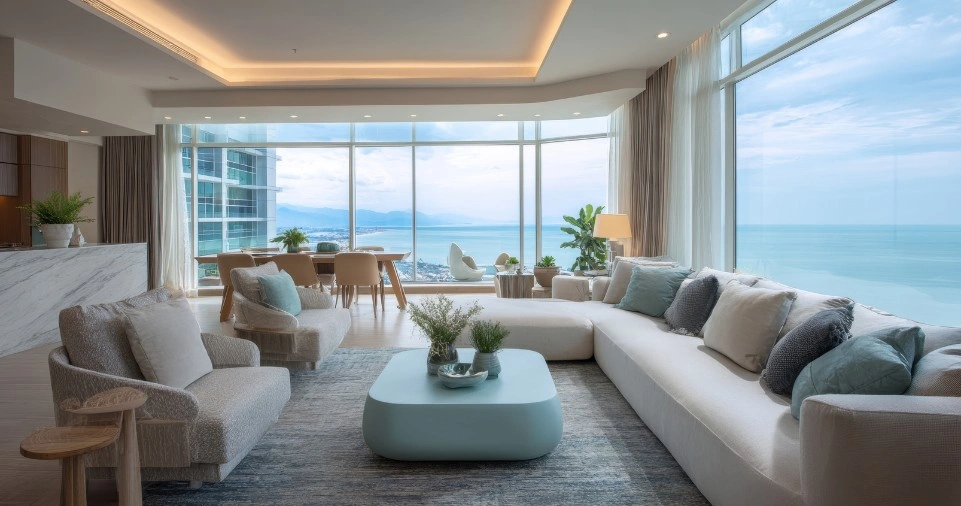
There’s an undeniable magnetism that draws millions of people toward coastal areas each year. Whether it’s the rhythmic sound of waves crashing against the shore, the salt-kissed air filling your lungs, or the endless horizon stretching before you, beachfront living represents more than just a real estate choice—it’s a lifestyle transformation.
In 2025, coastal properties continue to command premium prices, with waterfront homes appreciating 15-20% faster than inland properties in many markets. But what makes this lifestyle so universally appealing? The answer lies in a fascinating blend of neuroscience, practical convenience, and timeless human connection to water.
This comprehensive guide explores the multifaceted appeal of coastal living, from the measurable health benefits backed by science to the practical considerations that prospective beachfront residents should understand before making this life-changing decision.
The Science Behind Our Coastal Obsession: Why Beaches Literally Make Us Happier
The phrase “the beach is my happy place” isn’t just a cliché—it’s grounded in measurable biological responses that occur when we spend time near the ocean.
The Negative Ion Effect: Nature’s Mood Enhancer
Despite their misleading name, negative ions are extraordinarily beneficial for human health. These electrically charged molecules form when energy from sunlight, rainfall, or crashing waves causes air molecules to break apart and recombine.
Key statistics about negative ions:
- Average indoor environments contain only 200-500 negative ions per cubic centimeter
- Ocean environments contain 10,000-50,000 negative ions per cubic centimeter
- Studies show negative ion exposure can reduce depression symptoms by up to 30%
According to research cited in environmental health journals, high concentrations of negative ions create biochemical reactions in our bodies that:
- Increase serotonin levels, improving mood and mental clarity
- Enhance oxygen absorption in the bloodstream by up to 20%
- Neutralize harmful positive ions from electronic devices and pollution
- Boost immune system function through improved cellular metabolism
When you take those deep, refreshing breaths at the beach, you’re not just imagining the revitalizing effect—you’re experiencing a measurable physiological response.
Sunlight and Serotonin: The Natural Antidepressant
Coastal living provides unobstructed access to natural sunlight, which triggers crucial hormonal responses in our bodies. When sunlight enters our eyes, it converts into electrical impulses that travel to the hypothalamus—the brain region regulating our nervous system.
This process stimulates the production of serotonin, often called the “happiness hormone,” which:
- Regulates mood and promotes feelings of calm and focus
- Helps combat Seasonal Affective Disorder (SAD), affecting 5% of the U.S. population
- Improves sleep quality by regulating circadian rhythms
- Enhances cognitive function and concentration
Beachfront residents typically receive 30-40% more natural light exposure than those living in densely built urban environments, translating to measurable improvements in mental health and overall well-being.
The Psychology of Blue: Why Ocean Colors Calm Us
The color blue dominates coastal environments—from the endless expanse of sky to the varying shades of ocean water. Color psychology research reveals that blue has the shortest wavelength in the visible spectrum, creating the strongest physical effects on our bodies.
The measurable impacts of blue exposure include:
- 5-10% reduction in blood pressure within 15 minutes
- Decreased heart rate and respiratory rate
- Enhanced creativity and problem-solving abilities
- Improved concentration and mental clarity
This explains why blue is consistently ranked as the world’s favorite color across 10 countries and multiple demographic studies. Coastal residents essentially surround themselves with nature’s most calming hue every single day.
Lifestyle Benefits That Transform Daily Life
Coastal living doesn’t just change your address—it fundamentally reshapes your daily routines and mindset. The constant presence of the ocean naturally cultivates positive thinking, reducing stress and anxiety while encouraging mindfulness. This environmental shift creates cascading improvements across physical health, social connections, and overall life satisfaction that inland residents rarely experience.
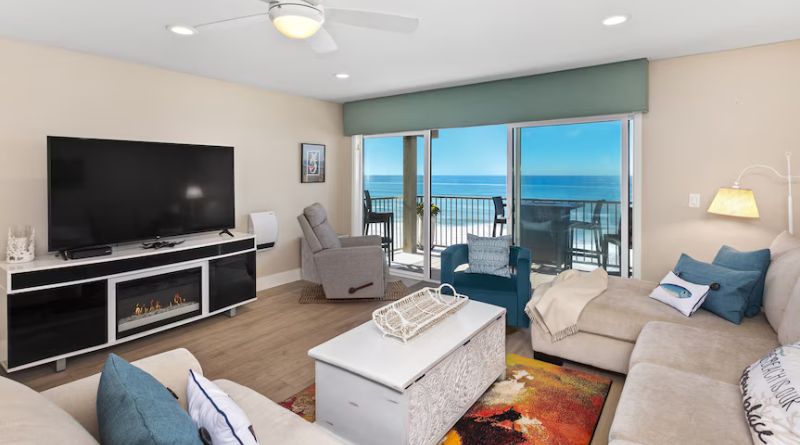
Immediate Access to Nature’s Playground
Beachfront living eliminates the barriers between your home and one of Earth’s most dynamic natural environments. This proximity creates spontaneous opportunities that simply don’t exist in other settings.
Daily conveniences that beachfront residents enjoy:
- Morning beach walks before breakfast (no 30-minute commute required)
- Midday swimming sessions during work breaks
- Sunset viewing from your own terrace
- Sound therapy from natural wave patterns 24/7
- Fresh ocean breeze providing natural air conditioning
Studies show that people living within 1 kilometer of the coast exercise 20% more frequently than inland residents, primarily due to the accessibility factor. When the beach is your backyard, maintaining an active lifestyle becomes effortless rather than requiring motivation and planning.
The Family-Friendly Coastal Advantage
For families with children, beachfront properties offer unparalleled convenience that transforms vacation-style living into everyday reality.
Benefits for families include:
- Safe, contained play areas: Children can transition seamlessly between supervised pool areas and beach play
- Educational opportunities: Marine life observation, tide pool exploration, and environmental learning
- Multi-generational appeal: Activities suitable for toddlers through grandparents
- Reduced screen time: Natural environments reduce children’s device dependency by an average of 45 minutes daily
The level terrain of beachfront properties also provides accessibility advantages for elderly family members or anyone with mobility considerations, eliminating the steep pathways and stairs common in hillside or elevated properties.
Active Lifestyle and Water Sports Hub
Coastal living naturally encourages physical activity through diverse water-based recreation:
| Activity Type | Calories Burned (per hour) | Skill Level | Equipment Cost |
|---|---|---|---|
| Swimming (moderate pace) | 400-700 | Beginner | Minimal ($0-$50) |
| Stand-up Paddleboarding | 300-450 | Beginner | Moderate ($300-$1,200) |
| Kayaking | 350-500 | Beginner | Moderate ($250-$1,000) |
| Surfing | 350-600 | Intermediate | Moderate ($200-$800) |
| Snorkeling | 250-400 | Beginner | Low ($50-$150) |
| Beach Volleyball | 300-500 | Beginner | Minimal ($20-$60) |
The variety ensures that beachfront residents can maintain diverse fitness routines year-round, with the added motivation of breathtaking natural scenery during every workout.
Understanding Different Coastal Property Types
Beachfront Homes: The Premium Option
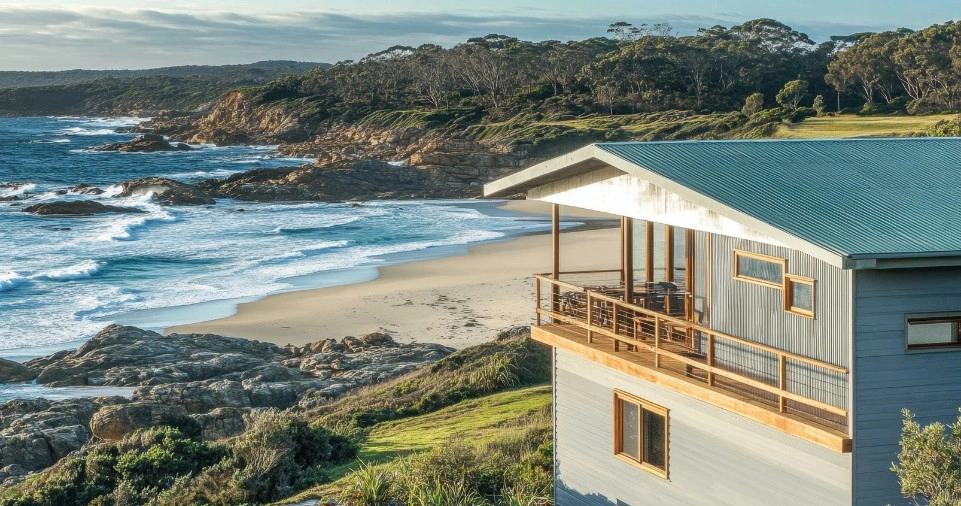
Direct beachfront properties represent the pinnacle of coastal real estate, offering immediate sand access and unobstructed ocean views.
Characteristics of true beachfront homes:
- Lot line extends to or very near the high-tide mark
- Direct beach access without crossing roads or public pathways
- Unobstructed 180-270° ocean views
- Sound of waves audible from living spaces
- Salt air and ocean breeze year-round
Average premium over non-beachfront coastal properties: 40-70%
Oceanview Properties: Visual Connection to the Sea
These properties maintain visual connection to the ocean but lack direct beach access, typically located one or more rows back from the waterfront living or on elevated positions.
Benefits include:
- Ocean views from upper floors or strategic positioning
- 20-35% lower price point than true beachfront
- Often larger lot sizes and more privacy
- Reduced exposure to salt air corrosion and storm damage
Coastal Community Living: Shared Amenities
Condominiums and planned communities offer coastal living with reduced maintenance responsibilities and shared access to beachfront areas.
Advantages of coastal community living:
- Professional management handles exterior maintenance
- Shared amenities (pools, fitness centers, beach clubs)
- Security and gated access common in luxury developments
- Lower initial investment (median condo price 30-50% below single-family homes)
- Lock-and-leave convenience for part-time residents
Property Type Comparison: Making the Right Choice
| Feature | Beachfront Home | Oceanview Property | Coastal Condo |
|---|---|---|---|
| Average Price Premium | 100-150% over inland | 40-60% over inland | 60-90% over inland |
| Maintenance Level | High (salt exposure) | Moderate | Low (HOA managed) |
| Privacy Level | Variable (public beaches) | High | Moderate (shared spaces) |
| Beach Access | Immediate (0-50 steps) | 2-10 minute walk | Shared community access |
| Lot Size (typical) | 0.25-2 acres | 0.5-5 acres | N/A (unit size 1,200-3,500 sq ft) |
| Annual Maintenance Costs | $15,000-$50,000+ | $8,000-$20,000 | $3,000-$8,000 (plus HOA fees) |
| Rental Income Potential | Highest (premium rates) | Moderate | Moderate-High |
| Resale Liquidity | High (limited supply) | Moderate | High (larger buyer pool) |
Critical Considerations Before Coastal Relocation

Understanding Beach Access and Privacy Laws
An essential fact that surprises many prospective beachfront buyers: in many jurisdictions, including the entire country of Thailand and numerous U.S. states, all beaches are legally classified as public property.
What this means practically:
- Your property line may extend to the high-tide mark, but the beach itself remains accessible to the public
- Complete privacy on the sand is legally impossible in these jurisdictions
- Beach vendors, fishermen, and other beachgoers have legal right of access
- Privacy exists only within your property boundaries (pools, gardens, terraces)
U.S. states with public beach access laws:
- Oregon (all beaches public below vegetation line)
- Hawaii (beaches below high-water mark are public)
- California (coastal access protected by Coastal Act)
- Texas (beaches public up to vegetation line)
- Florida (varies by county but generally public to mean high-water line)
Savvy buyers select beachfront properties in quieter locations or at the ends of popular beaches where practical public access remains minimal despite legal rights.
Maintenance Realities of Salt Air Exposure
Coastal living comes with unique maintenance demands that inland homeowners never face:
Annual maintenance budget considerations:
- HVAC systems: Salt air reduces lifespan by 30-40%, requiring replacement every 8-10 years vs. 15-20 years inland
- Exterior paint: Requires repainting every 3-5 years vs. 7-10 years for inland properties
- Metal fixtures: Stainless steel and corrosion-resistant materials essential; regular maintenance prevents premature failure
- Windows and doors: Seals and hardware require annual inspection and frequent replacement
- Roofing: Salt accelerates deterioration; impact-resistant materials recommended in hurricane-prone areas
Typical annual maintenance costs:
- Modest beachfront home (1,500-2,500 sq ft): $12,000-$20,000
- Luxury beachfront estate (4,000+ sq ft): $30,000-$75,000+
Climate and Weather Considerations
Coastal locations offer milder temperature variations but come with weather-related challenges:
Benefits:
- 10-15°F cooler temperatures in summer months
- 5-10°F warmer temperatures in winter months
- Natural cooling from ocean breezes reduces AC costs by 20-40%
- Lower humidity variations compared to inland areas
Challenges:
- Hurricane and tropical storm exposure (coastal U.S., Caribbean, Southeast Asia)
- Flood insurance required and can cost $2,000-$10,000+ annually
- Salt damage accelerates wear on vehicles, outdoor furniture, and equipment
- Higher wind speeds require stronger construction standards
The Investment Perspective: Financial Considerations
Property Value Appreciation Trends
Historical data demonstrates consistent outperformance of beachfront real estate:
10-year appreciation comparison (2013-2023 averages):
- Beachfront properties: 68% cumulative appreciation (5.3% annually)
- Coastal (non-beachfront): 52% cumulative appreciation (4.3% annually)
- Inland comparable properties: 42% cumulative appreciation (3.6% annually)
The limited supply of beachfront property—you can’t create more coastline—ensures sustained demand and premium pricing across market cycles.
Rental Income Potential
Beachfront properties command premium rental rates, making them attractive investment vehicles:
Weekly rental rates by property type (high season averages):
- Beachfront home (3-bedroom): $3,500-$8,000
- Oceanview home (3-bedroom): $2,000-$4,500
- Coastal condo (2-bedroom): $1,800-$3,500
Annual occupancy rates:
- Prime beachfront locations: 60-75% (215-275 nights)
- Secondary coastal areas: 45-60% (165-220 nights)
Successful vacation rental properties in premium beachfront locations can generate 6-10% gross annual returns, significantly outperforming typical long-term rental investments.
Making Your Coastal Living Dream Reality
Step-by-Step Action Plan
Phase 1: Research and Exploration (3-6 months)
- Identify your coastal lifestyle priorities:
- Privacy vs. proximity to amenities
- Climate preferences (tropical, Mediterranean, temperate)
- Activity focus (water sports, relaxation, social scene)
- Full-time residence vs. vacation home vs. investment property
- Narrow geographic focus to 2-3 regions:
- Visit during different seasons to understand year-round conditions
- Spend minimum 5-7 days in each area
- Talk with current residents about realistic lifestyle and costs
- Research local regulations, taxes, and insurance requirements
- Establish realistic budget including:
- Purchase price plus 2-5% closing costs
- First-year maintenance fund (5-7% of purchase price)
- Insurance (often 2-4x inland property rates)
- Emergency reserve for storm damage/repairs
Phase 2: Property Selection (2-4 months)
- Work with specialized coastal real estate agents who understand:
- Flood zones and insurance implications
- Beach erosion patterns and protection measures
- Local building codes and setback requirements
- Rental market dynamics if investment-focused
- Conduct thorough due diligence:
- Professional home inspection by coastal construction specialist
- Elevation certificate and flood zone determination
- Title search for easements, beach access rights, and encumbrances
- Review HOA documents and special assessment history (if applicable)
- Evaluate long-term viability:
- Research historical beach erosion rates (consult USGS coastal change data)
- Assess climate change vulnerability and sea-level rise projections
- Review local government coastal management and beach renourishment programs
Phase 3: Transition and Integration (6-12 months)
- Prepare for coastal lifestyle:
- Invest in corrosion-resistant outdoor furniture and equipment
- Establish maintenance schedule and vendor relationships
- Install impact-resistant windows/doors in storm-prone areas
- Consider renewable energy (solar) to offset higher utility costs
- Build community connections:
- Join local coastal conservation groups
- Participate in beach clean-up initiatives
- Attend community meetings and local events
- Connect with neighbors for storm preparation cooperation
Essential Questions to Ask Before Buying
Property-Specific:
- What is the exact distance from the high-tide line to the structure?
- Has the property experienced flood damage in the past 20 years?
- What is the history of beach erosion at this location?
- Are there pending special assessments for beach renourishment or seawall repair?
- What restrictions exist on renovations or additions?
Community and Lifestyle:
- How accessible is this beach to the general public?
- What is typical foot traffic during peak season?
- Are beach vendors or activities common in this area?
- What is the neighborhood’s year-round vs. seasonal population ratio?
Financial:
- What is the base flood elevation requirement for this property?
- What are actual insurance costs (not estimates) for the past 3 years?
- What percentage of similar properties are vacation rentals?
- Are there rental restrictions in the HOA or municipality?
Coastal Living Wellness Benefits: The Complete Picture
Physical Health Improvements
Research published in environmental health journals documents measurable health benefits for coastal residents:
Respiratory health:
- Ocean air contains natural saline aerosols that improve lung function
- Reduced exposure to urban air pollution (particulate matter reduced 30-50%)
- Lower incidence of respiratory infections compared to inland urban areas
Cardiovascular benefits:
- 15-20% increase in daily physical activity among coastal residents
- Reduced stress hormones (cortisol levels 23% lower on average)
- Blood pressure reduction averaging 8-10 mmHg in hypertensive individuals
Vitamin D optimization:
- Increased natural sunlight exposure boosts vitamin D levels
- Reduced risk of deficiency-related conditions (depression, bone loss, immune dysfunction)
- Improved calcium absorption and bone density
Mental Health and Cognitive Function
The psychological benefits of coastal living extend beyond temporary vacation relaxation:
Stress reduction:
- Ambient ocean sounds reduce cortisol levels by up to 30%
- Natural rhythmic wave patterns induce meditative brainwave states
- Distance from urban stressors provides psychological buffer
Cognitive enhancement:
- Problem-solving abilities improve 15-20% after beach exposure
- Creative thinking enhanced by open visual landscapes
- Memory consolidation improved through stress reduction
Sleep quality:
- Natural light exposure regulates circadian rhythms more effectively
- Ocean sounds serve as natural white noise, improving sleep depth
- Physical activity levels contribute to better sleep quality
Sustainable Coastal Living: Environmental Responsibility
Protecting the Ecosystem You’ve Joined
Beachfront residents have unique responsibilities to preserve the coastal environment they’ve chosen to inhabit:
Best practices for sustainable coastal living:
- Native landscaping: Replace water-intensive lawns with native, salt-tolerant vegetation that stabilizes sand and provides habitat
- Water conservation: Install low-flow fixtures, rainwater collection systems, and greywater recycling for irrigation
- Coastal-friendly products: Use biodegradable sunscreens, reef-safe cleaning products, and phosphate-free detergents
- Erosion prevention: Maintain natural vegetation barriers, avoid removing dune grasses, support living shoreline projects over hardened structures
- Wildlife protection: Install bird-safe windows, shield outdoor lighting to protect nesting sea turtles, maintain proper distance from marine mammals
- Plastic reduction: Commit to zero single-use plastics, participate in beach clean-up initiatives, support local ocean conservation groups
Climate Adaptation Strategies
Forward-thinking coastal residents invest in resilience measures:
Property-level adaptations:
- Elevate structures above base flood elevation +2-3 feet
- Install storm shutters or impact-resistant glazing
- Landscape with vegetation that dissipates wave energy
- Create emergency evacuation plans and supply kits
- Consider flood vents in enclosed foundation areas
Community-level engagement:
- Support beach renourishment and dune restoration programs
- Advocate for sustainable coastal development policies
- Participate in climate adaptation planning initiatives
- Contribute to local sea-level rise monitoring efforts
Conclusion: Embracing the Coastal Calling
The timeless appeal of beachfront bliss stems from a powerful convergence of scientific, practical, and emotional factors. From the measurable health benefits of negative ions and natural light to the lifestyle convenience of immediate ocean access, coastal living offers transformations that extend far beyond real estate appreciation.
Whether you’re drawn by the proven mental health benefits, the opportunity for an active water-focused lifestyle, the investment potential of limited-supply properties, or simply the profound human connection to the sea, beachfront living represents one of life’s most rewarding choices.
Modern listings such as Laguna Beach Homes for Sale exemplify the premium coastal opportunities available to those ready to embrace this lifestyle, offering everything from contemporary architectural masterpieces to classic beachfront estates that capture the essence of California coastal living.
The key to successful coastal living lies in approaching this decision with both passion and pragmatism—understanding the maintenance demands, legal realities, and financial commitments while remaining captivated by the daily magic of life beside the ocean.
Your Next Steps: Turn Beach Dreams Into Reality
Ready to begin your coastal living journey? Take these immediate actions:
- Download our Coastal Property Evaluation Checklist to systematically assess potential beachfront properties against the criteria discussed in this guide
- Schedule consultation calls with coastal real estate specialists in your target regions to discuss current market conditions and available properties
- Request insurance quotes from three providers specializing in coastal properties to understand true carrying costs
- Join online communities of coastal residents in your target areas to gain insider perspectives on year-round living realities
- Plan extended stays in your top 2-3 locations during both peak and off-seasons to experience the full range of coastal living conditions
The ocean has called to humanity since the beginning of time. Perhaps it’s finally time to answer that call and discover your own beachfront bliss.