Suffering a slip and fall injury can be both physically painful and financially overwhelming. Many people are unsure of which steps to take after an accident, and this uncertainty can lead to critical errors that may jeopardize their legal rights and the compensation they could receive. Working with a personal injury law firm may help you avoid some of the most common mistakes and protect your interests effectively.
Knowing what to do and what not to do after a slip and fall accident can make all the difference in a personal injury claim. The period immediately following your injury is fraught with important decisions. Unfortunately, many victims are unaware of the pitfalls that could harm their case. Even one misstep can prevent you from being properly compensated for your injuries, lost wages, and future expenses.
Prompt action and caution are crucial. Slips and falls can happen anywhere: at work, in a grocery store, at a friend’s house, or in a public building. No matter the location, those responsible for the property have a duty to ensure safety. Failing to follow best practices after an injury may give insurance companies or negligent property owners leverage to undercut your claim.
This guide explores the 14 most costly mistakes people make following a slip and fall injury. Recognizing and avoiding these errors is essential to protecting your physical and financial well-being.
1. Failing to Seek Medical Attention Immediately
Some injuries may not be apparent right after a fall, especially internal injuries or soft tissue damage. Delaying medical attention can make your injuries worse and provide insurers with ammunition to argue that your injuries were not serious or related to the accident. Always get checked by a healthcare professional immediately, even if you feel fine at first.
2. Not Reporting the Accident Promptly
Failing to notify the property owner, manager, or employer right after the accident can complicate your claim. Promptly reporting the incident creates an official record, which may be crucial evidence if your case goes to court. Do not leave the premises without making sure the accident has been reported and documented.
3. Neglecting to Document Evidence
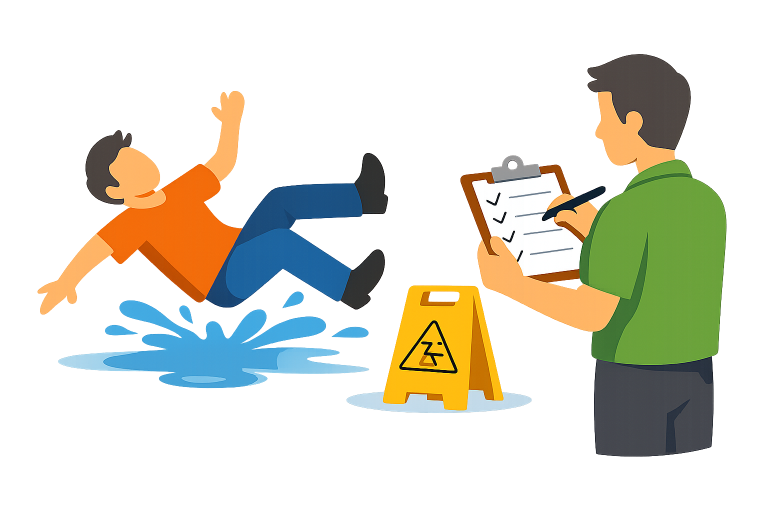
Without photographs, witness contact information, or written accounts, proving the circumstances of your fall can be difficult. Take clear photographs of the scene, any visible hazards, and your injuries. Collect names and statements from any witnesses.
4. Admitting Fault or Apologizing
In the aftermath of an accident, instinct may lead you to apologize or accept blame. However, even simple apologies can be misinterpreted as admissions of fault. Stick to the facts when speaking with others about your accident.
5. Relying on Verbal Agreements
If a property owner tries to resolve the situation with a handshake or promise, you risk not having legal protection. Always ensure that any agreements are in writing and reviewed by your attorney.
6. Delaying Legal Consultation
Personal injury laws are complex, and deadlines for filing claims vary by state. Failing to consult a lawyer promptly may cause you to miss critical legal deadlines. Legal guidance early on helps protect your rights and builds a stronger case from the beginning.
7. Talking with Insurance Companies Unprepared
Insurance companies are motivated to minimize payouts. Giving statements or signing documents without legal advice can severely weaken your position. Always consult your lawyer before agreeing to recorded statements or discussing the accident in detail.
8. Settling Too Soon
Some insurers will offer a quick settlement in hopes that you will accept less than what you deserve. Early settlements rarely account for ongoing medical expenses or future impacts of your injury. Do not accept a settlement until you fully understand your prognosis and financial needs. Early settlements often fail to cover long-term costs.
9. Posting on Social Media
Comments or photos about your fall or recovery can be used against you. Insurance companies often scour social media for posts that undermine injury claims. Avoid sharing any details about your accident or recovery process online.
10. Ignoring Medical Advice
Disregarding your doctor’s restrictions or missing follow-up appointments can create doubt around the severity of your injuries. Always follow prescribed treatment plans and keep a record of your appointments and recommendations.
11. Failing to Track Expenses and Lost Wages
Claims rely on a clear picture of your financial losses. Keep detailed records of all related expenses, including medical bills, travel costs, and pay stubs documenting lost work. Thorough documentation is essential to substantiate the damages you claim.
12. Missing Filing Deadlines
Statutes of limitations specify how long you have to file a lawsuit. If you miss these deadlines, your case could be dismissed, regardless of merit. Legal consultation soon after your injury is vital to ensure all paperwork is filed correctly and on time. More details on deadlines and statutes can be found at Nolo.
13. Overlooking Emotional Impact
Slip and fall injuries are not only physical but can also cause significant emotional distress or anxiety. Failing to document or address emotional trauma may leave compensation for these damages off the table. Discuss any psychological effects with your healthcare provider and attorney.
14. Underestimating Long-Term Effects
Some injuries, such as traumatic brain injuries or joint damage, may worsen over time. A rushed settlement or ignoring future medical needs can create financial hardships down the road. Work with medical professionals and legal counsel to account for all possible long-term consequences.
Conclusion
The aftermath of a slip and fall accident is a critical time. By understanding and avoiding these 14 costly mistakes, you can better protect your rights and improve your chances of a fair financial recovery. If you are ever unsure what steps to take, reaching out to experienced professionals can make all the difference.