Key Takeaways
- Fire safety compliance protects lives, property, and business operations.
- Ongoing education and frequent risk assessments are central to maintaining safety.
- Adopting new technologies and collaborating with experts enhances fire protection strategies.
- Proper documentation and adherence to updated codes ensure regulatory compliance.
Maintaining fire safety in the workplace is essential for protecting employees and property. Regular risk assessments, properly maintained fire alarms and extinguishers, and clear evacuation plans help reduce hazards. Conducting fire drills and training staff in emergency procedures ensures everyone knows how to respond, while keeping escape routes unobstructed improves overall safety.
Some businesses work with companies like Brycer to help manage safety compliance, such as tracking inspections and maintaining records. Combining routine safety practices with organized record-keeping allows organizations to identify potential risks and ensure fire safety measures are consistently followed. Ongoing staff awareness and periodic reviews of procedures remain key to fostering a safe work environment.
Understanding Fire Safety Regulations
All businesses must gain a comprehensive understanding of the local, state, and federal fire safety regulations that apply to their operation. Common standards are established by bodies like the National Fire Protection Association (NFPA) and the Occupational Safety and Health Administration (OSHA). Remaining informed about code updates and modifications is crucial, as regulatory agencies regularly revise guidelines to address emerging risks and technologies. Businesses should maintain clear documentation to prove compliance and be prepared for periodic audits.
Conducting Regular Fire Risk Assessments
Proactive identification of fire risks is the starting point for effective fire prevention. Companies should schedule regular assessments to pinpoint potential hazards, including faulty wiring, improper storage of flammable items, blocked exits, or outdated suppression systems. The assessment process should encompass all work areas and storage rooms, and findings must result in timely action. Using expert fire risk consultants can further enhance the reliability of these assessments and provide fresh perspectives on overlooked dangers. Routine reviews foster a culture of accountability and help detect new risks as operations evolve.
Implementing Effective Fire Protection Systems
Fire suppression and alert systems are at the heart of any safety-first strategy. Sprinklers, alarms, and portable extinguishers must be installed based on an initial fire risk analysis and updated in line with regulations and facility changes. Innovations in fire protection provide advanced, tailored safety solutions. Enhanced solutions for diverse business settings not only meet but often exceed legal requirements, increasing the likelihood of minimizing potential damages when a situation arises.
Employee Training and Fire Drills
Ensuring that every team member understands their responsibilities in an emergency situation is fundamental to fire safety compliance. Regularly scheduled fire drills train staff to respond to evacuation signals, locate emergency exits, and use basic fire extinguishers safely. These exercises should simulate different scenarios to prepare employees for a range of possible situations. Incorporating training into onboarding and reinforcing it with periodic refreshers solidifies emergency preparedness and demonstrates an ongoing commitment to workforce safety.
Maintaining Clear Emergency Exits
In an emergency, clear and accessible exits can make the difference between a safe evacuation and tragedy. Businesses must ensure that all emergency routes and exits are not only properly marked but are also completely free of obstructions. Regular inspections and prompt correction of any issues, such as blocked doors or corridors, help maintain compliance and readiness at all times. Emergency lighting and clear signage further enhance exit accessibility during low-visibility conditions.
Keeping Up with Technological Advancements
Rapid technological advancements in the fire safety sector have introduced a range of new tools for monitoring, detection, and suppression. Systems that leverage real-time sensor data and advanced analytics enable businesses to continuously assess fire risk and respond proactively before issues escalate. Adopting these innovative solutions not only streamlines compliance management but also significantly enhances response times during emergencies.
Regular Equipment Maintenance
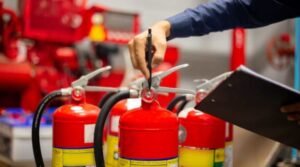
Well-maintained fire safety equipment is essential for reliable protection. Routine maintenance checks should cover fire alarms, extinguishers, hoses, and sprinkler systems to confirm they are fully functional. Maintenance schedules should be documented, and any malfunctioning equipment must be repaired or replaced immediately. Engaging certified providers ensures regular servicing adheres to industry standards and local regulatory demands.
Collaborating with Fire Safety Professionals
Fire safety professionals offer businesses a valuable resource for detailed risk assessments, employee training, and system inspections. Engaging with licensed inspectors and safety advisors guarantees that every compliance aspect is thoroughly addressed. These experts provide recommendations tailored to each business’s unique needs, strengthen compliance, and help organizations stay abreast of legal and technological changes that may affect fire safety plans.
Conclusion
Fire safety compliance is a holistic, ongoing process that integrates regulatory knowledge, risk management, staff education, advanced technologies, and expert guidance. By prioritizing proactive risk assessment, robust emergency systems, and ongoing professional support, businesses can foster safer work environments while safeguarding operational continuity. Staying vigilant and up to date with best practices ultimately benefits employees, customers, and stakeholders alike.