
Key Takeaways
- DUI checkpoints are legal in Georgia, but law enforcement must follow specific rules.
- Drivers have rights at checkpoints, including the right to remain silent and the right to refuse specific searches.
- Understanding what to expect at a checkpoint can reduce anxiety and help you protect yourself legally.
- Legal support is available if you believe your rights have been violated during a DUI checkpoint stop in Georgia.
Georgia law enforcement agencies routinely set up DUI checkpoints to keep roads safe and deter impaired driving. While these checkpoints are recognized as constitutional, they must adhere to strict guidelines. Knowing your rights before encountering a DUI checkpoint can help you make informed decisions if the police ever stop you. Need assistance navigating the legal aftermath of a checkpoint stop? A qualified Georgia DUI checkpoint defense lawyer can be an essential resource for protecting your freedom and future.
DUI checkpoints can be intimidating, even for sober drivers. Understanding what law enforcement can and cannot do at these stops is essential to safeguard your rights. By being aware of your options, you reduce the risk of inadvertently incriminating yourself or consenting to unlawful searches.
It’s important to remember that officers must follow established procedures, such as providing advance notice of checkpoints and operating them in a neutral, predetermined manner. If you believe your constitutional rights were violated at a checkpoint, you may have grounds to challenge any charges or evidence obtained against you.
Drivers throughout the United States face DUI checkpoints, also known as sobriety checkpoints, and researching your local and state guidelines can shed light on differences in policy and enforcement. For more details on nationwide DUI checkpoint guidelines, you can review the latest information from the National Highway Traffic Safety Administration.
What Are DUI Checkpoints?
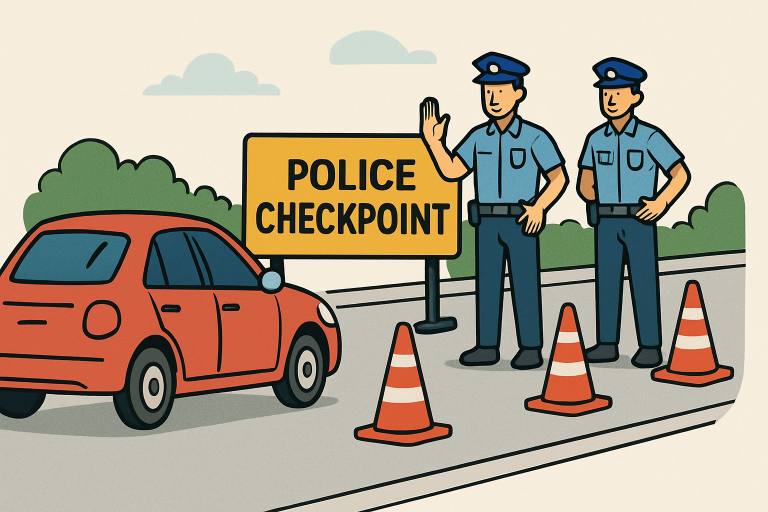
DUI checkpoints are pre-announced traffic stops where law enforcement officers screen drivers for signs of impairment. Unlike typical traffic stops, officers do not need individualized suspicion to stop vehicles at a checkpoint. Instead, vehicles are stopped according to a predetermined pattern, such as every third or fifth car, which helps prevent discrimination and arbitrary stops.
Legal Basis for Checkpoints in Georgia
The United States Supreme Court has ruled that DUI checkpoints are constitutional, but they must not violate Fourth Amendment protections against unreasonable search and seizure. In Georgia, this means agencies must have a valid purpose, such as promoting roadway safety, and must follow Georgia-specific rules. Supervisory officers must approve the checkpoint, and it must be publicly announced in advance, ensuring citizens have reasonable notice.
Your Rights at a Checkpoint
The Right to Remain Silent
When stopped at a DUI checkpoint, you have the right to remain silent beyond providing basic identification and necessary documentation (such as your driver’s license and registration). You are under no legal obligation to answer questions about where you have been, whether you have consumed alcohol, or where you are going. While being polite and cooperative is recommended, declining to answer further questions cannot be used as evidence of guilt.
The Right to Refuse Some Searches
Police need either your consent or probable cause to search your vehicle. At a checkpoint, if an officer asks to search your car without probable cause, you have the right to refuse politely. If an officer smells alcohol, observes open containers, or witnesses other signs of impairment, that may establish probable cause enabling a search without your consent.
What to Expect at a DUI Checkpoint
Approaching a checkpoint can be stressful, but understanding the process makes it more manageable. As you pull up, officers will ask for your license, registration, and proof of insurance. They may ask a few preliminary questions and look for visible signs of impairment. As long as you comply with these basic requests and do not exhibit suspicious behavior, you will likely be allowed to proceed without further scrutiny.
If You Are Arrested at a Checkpoint
If an officer determines there is reasonable suspicion or probable cause of DUI, you may be asked to perform field sobriety tests or submit to a roadside breathalyzer test. Georgia’s implied consent law requires you to submit to a chemical test if requested after a lawful arrest. Refusing this test can have immediate legal consequences, including license suspension, even before any criminal case is completed. For more about your rights regarding DUI charges and consequences, visit the ACLU’s guide on understanding your rights during police encounters.
Challenging an Unlawful Checkpoint
If you believe a checkpoint was illegally conducted or your constitutional rights were violated, there are legal avenues for challenging any resulting charges. A skilled DUI defense attorney can analyze whether law enforcement adhered to all procedural requirements, such as checkpoint authorization, neutral operation, and advance public notice. Any deviation can form the basis of a defense and possibly lead to the exclusion of evidence or to a dismissal of charges.
Staying Safe and Informed
Understanding your rights at a DUI checkpoint is the best defense against unnecessary or improper prosecution. Stay informed about when and where checkpoints might occur in your area, and know how to interact respectfully and lawfully with law enforcement. For alerts and updates on scheduled checkpoint locations, check local media outlets and police department notifications regularly.
Conclusion
DUI checkpoints serve a public safety function, yet drivers in Georgia have important necessary protections that protect them from overreach and abuse. Familiarize yourself with these rights and the procedures officers must follow. If you find yourself at the center of a checkpoint-related charge, seek legal representation immediately to ensure you are treated fairly under the law.