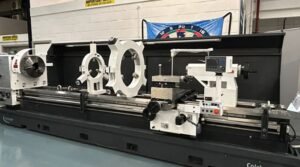
While CNC machines dominate modern manufacturing with precision and efficiency, manual lathes remain essential for hands-on learning, flexibility, and craftsmanship. They enable rapid prototyping, customization, and real-time adjustments, making them ideal for small-batch work and skill development. By combining CNC precision with manual adaptability, manufacturers can achieve a balanced approach that blends efficiency with creativity.
Understanding Manual Lathes in Today’s Workshop
Manual lathes continue to play a significant role in various workshops, providing precision and craftsmanship that automated machines may not fully replicate. They offer value in specialized tasks and help develop a deep understanding of machining principles.
How Manual Lathes Work
Manual lathes operate through a hand-controlled process, allowing machinists to manipulate the workpiece directly. You rotate the workpiece against a cutting tool to shape it into the desired form. Adjustments to the tool’s position and speed are made manually, requiring careful coordination and skill.
Operating a manual lathe demands a focus on precision. This method enables the creation of custom features and prototypes efficiently. Despite the growth of CNC technology, many artisans appreciate this tactile approach, fostering knowledge of machining practices.
Core Features That Differentiate Manual Lathes
Manual lathes are highly versatile, accommodating a wide range of materials and dimensions. Their tactile feedback helps refine technique, while their simpler design makes them more affordable, easier to maintain, and quick to adjust for different tasks without complex programming.
Manual Lathe Applications Across Industries
Manual lathes are prevalent in educational settings, teaching machining fundamentals to new generations. They are especially valuable in repair and maintenance sectors, where quick adjustments to parts are crucial. Operators rely on these machines for single-unit projects or prototypes.
In smaller workshops, you will notice manual lathes being used for custom and low-volume production. Their ability to produce intricate detailing makes them indispensable in the arts and crafts sector, where artisans often demand fineness that CNC machines can’t offer.
For those interested in acquiring these versatile machines, manual lathes available for sale provide various options across numerous sizes and speeds to meet different production needs.
Where Manual Lathes Shine in a CNC-Dominated Industry
In a field dominated by CNC machining, manual lathes still hold significant value. Their strengths lie in enhancing hands-on skills, offering cost benefits for small production runs, and providing unique solutions for customized projects.
Benefits of Hands-On Machining
Working with manual lathes allows direct engagement with the material, providing a tactile experience CNC machines cannot replicate. This hands-on approach builds machining skills, helping you adjust techniques in real time and understand processes more deeply. It also sharpens problem-solving and improves attention to detail that automated systems may overlook.
Cost-Effectiveness for Low-Volume Production
Manual lathes offer economic advantages, particularly when dealing with smaller batches. Setting up a CNC machine can be time-consuming and costly for low-volume production. Manual lathes eliminate these setup expenses, making them the ideal choice when you’re working with limited runs or one-off parts. They let you quickly transition from one project to another without the need for extensive programming.
Moreover, these machines don’t require the same level of technical skill or upfront investment as CNC machines. This accessibility means you can focus your budget on other critical areas of the business while still producing high-quality parts.
Customization and One-Off Projects
When it comes to creating bespoke items or single prototypes, manual lathes truly excel. They offer the flexibility needed to tweak designs on the fly without the delays associated with CNC machine programming. You can easily modify dimensions and try out new concepts, allowing for quick experimentation. This adaptability is especially useful in industries that require custom parts or individualized components.
Using manual lathes, you can meet specific client needs efficiently, often resulting in greater customer satisfaction. The personal touch involved ensures your creations are uniquely tailored, increasing their value and relevance in niche markets.
The Artistry and Skills Preserved by Manual Lathes
In a world filled with advanced CNC machines, manual lathes continue to nurture a deeper connection to the craft, from nurturing essential skills to shaping the foundation for aspiring machinists.
Craftsmanship That CNC Cannot Replace
Manual lathes offer a unique connection to the art of machining, allowing for a tactile experience that CNC machines cannot provide. With manual lathes, you gain a feel for the material, and you become attuned to the subtle changes in sound and texture. This hands-on interaction enables machinists to produce workpieces with a personal touch, often achieving finishes and details that automation struggles to replicate.
Consider the creativity involved in crafting a custom-designed piece or a one-off part. You have the freedom to adapt and adjust on the spot, embracing imperfections that may occur. This process fuels innovation, as you develop problem-solving skills and a deeper appreciation for the artistry involved in machining.
Essential Skills Developed on Manual Machines
Working on manual lathes hones fundamental skills essential for any aspiring machinist. You develop a strong foundation in manual dexterity, spatial awareness, and an understanding of mechanical principles. The manual process requires you to measure, cut, and shape materials with precision, fostering attention to detail and critical thinking.
These skills translate well to working with CNC machines, making you a more versatile machinist. Operating a manual lathe encourages you to devise creative solutions and overcome challenges that arise during the machining process. This adaptability is invaluable in a constantly evolving industry.
Manual Lathes in Apprenticeship and Training
Manual lathes serve as a cornerstone in the training and apprenticeship of new machinists. They offer a practical learning environment where you can experiment, make mistakes, and learn from them without the high stakes of automated production. This hands-on experience builds confidence and a solid technical grounding.
By starting with manual machines, trainees develop a comprehensive understanding of machining processes from the ground up. This foundational knowledge supports successful transitions to CNC machine operation, providing a well-rounded skill set that benefits both the individual and potential employers. This experience is instrumental for those looking to make a significant impact in the machining field.
The Evolving Relationship Between Manual and CNC Machines
In today’s workshops, manual and CNC machines coexist, each offering unique advantages. The fusion of traditional and digital machining methods provides new opportunities for innovation while maintaining the essence of craftsmanship.
Integrative Approaches in Modern Workshops
Modern workshops are blending manual and CNC techniques to enhance efficiency and craftsmanship. Integrating these methods allows for innovative workflows—manual lathes handle tasks requiring a craftsman’s touch, while CNCs automate repetitive jobs, increasing productivity.
You might find operators using manual machines for prototyping or delicate finishes, where human intuition can make a difference. Additionally, combined knowledge of these technologies enables technicians to troubleshoot and optimize processes more effectively. Such a blend not only improves the production speed but also ensures better quality across projects.
Future Trends and Emerging Opportunities
As technology advances, the synergy between manual and CNC machines will continue to evolve. Smart workshops are emerging where digital platforms link machines, improving efficiency and enabling real-time monitoring. Automation and machine learning may introduce sensor-enabled manual lathes that support preventive maintenance, customization, and reduced downtime.
Balancing Precision, Productivity, and Tradition
The balance between adopting new technologies and preserving traditional craftsmanship is crucial. Manual lathes offer a sense of artistry and tactile feedback, valuable for custom or low-production runs. CNC machines, however, offer precision and repeatability, crucial for mass production.
Embracing both aspects can become your competitive edge, allowing you to meet various client demands. The skillful use of both types of machines ensures that the heritage of machining crafts continues, even as the industry advances. Balancing these elements offers the best of both worlds: high-quality, precise products with a handcrafted touch.
Where Craft Meets Capability
Manual lathes remain a vital counterpart to CNC technology, preserving hands-on skill, flexibility, and craftsmanship in modern manufacturing. By combining the precision of automation with the adaptability of manual machining, workshops can achieve a more balanced, efficient, and innovative production approach.