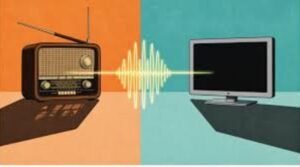
Broadcasting has come a long way since the first crackling radio signals of the early 20th century. What began as a one-way transmission of audio has evolved into a sophisticated, multi-platform ecosystem that defines how we consume information, sports, and entertainment.
The Shift to IP and Digital Distribution
For decades, broadcasting relied heavily on analog signals and massive transmission towers. Today, the industry is undergoing its most significant transformation yet: the move toward IP-based workflows.
In the modern era, “broadcasting” isn’t just about big TV networks. It includes:
- OTT (Over-the-Top) Streaming: Platforms like Netflix and YouTube delivering content over the internet.
- Digital Signage: Large-scale video distributions in stadiums, airports, and campuses.
- Localized RF Networks: Private cable or fiber systems used in hospitals and hotels.
Modern Hardware for Modern Streams
As technology advances, the demand for high-definition, low-latency video has skyrocketed. This is where professional-grade hardware becomes the backbone of the industry. To handle the complex task of converting video signals for different platforms, broadcasters rely on specialized encoders and modulators.
For professionals looking to bridge the gap between traditional RF systems and modern digital streaming, industry leaders like thorbroadcast.com provide the essential infrastructure. Their tools allow for the seamless conversion of HDMI and SDI signals into formats suitable for cable TV, satellite, or IPTV distribution—ensuring that the “broadcast” remains crystal clear, regardless of the medium.
Key Trends Shaping the Future
- 4K and 8K Resolution: The push for higher pixel density requires massive bandwidth and updated encoding standards like HEVC.
- Low-Latency Streaming: Essential for live sports and betting, where even a three-second delay can ruin the viewer experience.
- Virtual Production: Using real-time game engines (like Unreal Engine) to create digital sets for live broadcasts.
Conclusion
Broadcasting is no longer just about “sending a signal.” It’s about managing data, ensuring compatibility across devices, and delivering high-quality content at the speed of light. Whether it’s a global sporting event or a corporate internal feed, the hardware and software powering these transmissions are more critical than ever.