
Not every home improvement project delivers a return on investment. Some upgrades look impressive but add almost nothing to your property’s resale value. A swimming pool, for example, can cost $50,000 to install and may actually reduce your home’s appeal to buyers with young children or those who do not want the maintenance burden. A luxury home theatre with built-in seating and acoustic panels is thrilling for the homeowner who builds it and nearly worthless to anyone who has different entertainment preferences.

The upgrades that consistently deliver strong returns share a common trait: they improve the daily function of the home for nearly any occupant, not just the current owner. They reduce operating costs, increase usable space, or modernize the most-used areas of the house.
If you are thinking about selling within the next few years, or if you simply want to build equity while improving your daily life, these five upgrades deserve your attention. Each one is backed by data from remodelling cost-versus-value analyses and real estate appraisal patterns across Canadian and North American markets.
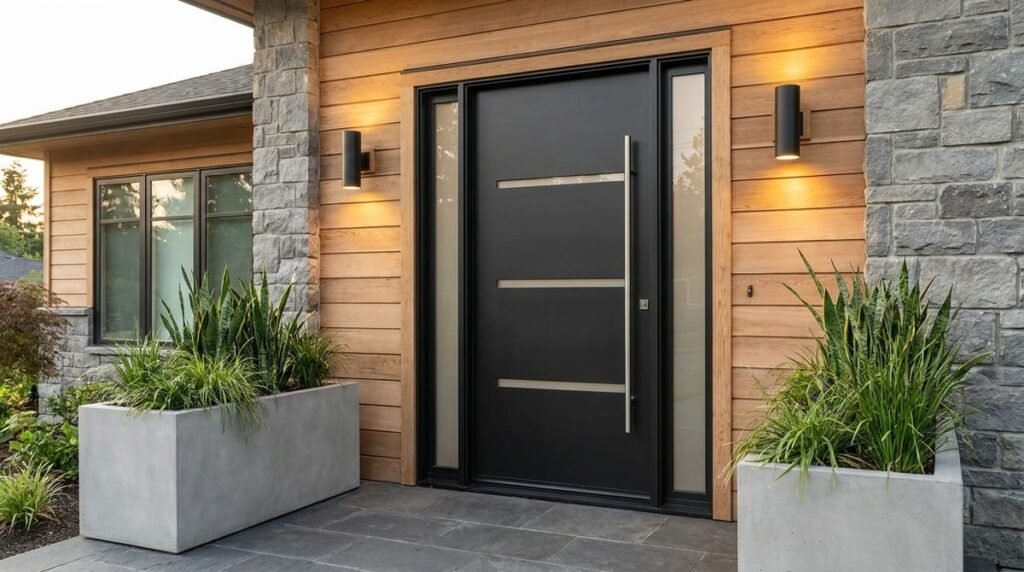
1. A Modern Front Entry Door
First impressions matter in real estate, and your front door is the very first thing buyers notice when they pull up to a property. A faded, dented, or outdated entry door immediately sets a negative tone, no matter how beautiful the interior may be.
Replacing an outdated entry door with a modern steel or fibreglass model is one of the highest-return projects you can undertake. Data from multiple remodelling cost-versus-value reports consistently shows that a new entry door recovers over 90 percent of its cost at resale. In some markets, it returns more than 100 percent.
Choose a door with good insulation ratings, solid weatherstripping, and clean, modern hardware. Skip the overly ornate designs with decorative glass panels, which tend to look dated quickly. Simple, well-proportioned entries with clean lines perform best across all markets and buyer demographics.
Beyond resale value, a quality entry door improves energy efficiency by reducing air leakage, enhances security with modern lock systems, and eliminates drafts that make the entryway uncomfortable during winter months.
2. A Kitchen Cabinet Upgrade
Kitchens remain the single most influential room in any home purchase decision. Real estate agents consistently report that buyers make faster decisions and offer higher prices for homes with updated kitchens. The reverse is also true: an outdated or deteriorating kitchen is one of the most common reasons buyers negotiate aggressively on price.
You do not always need a full gut renovation to make an impact. Replacing worn-out cabinets with quality factory-direct options often delivers a better return than a complete remodel because the cost is lower while the visual and functional improvement is dramatic. New cabinets immediately modernize the room, improve storage functionality, and signal to buyers that the home has been maintained with care.
Look for manufacturers that offer plywood box construction, soft-close hardware, and dovetail drawer joints at competitive pricing. Factory-direct companies like morsunkitchencabinets.com eliminate the dealer markup, putting higher-quality materials within reach of mid-range budgets. A kitchen with solid cabinetry photographs well for listings, impresses during showings, and gives buyers confidence that they will not face cabinet replacement as an immediate post-purchase expense.
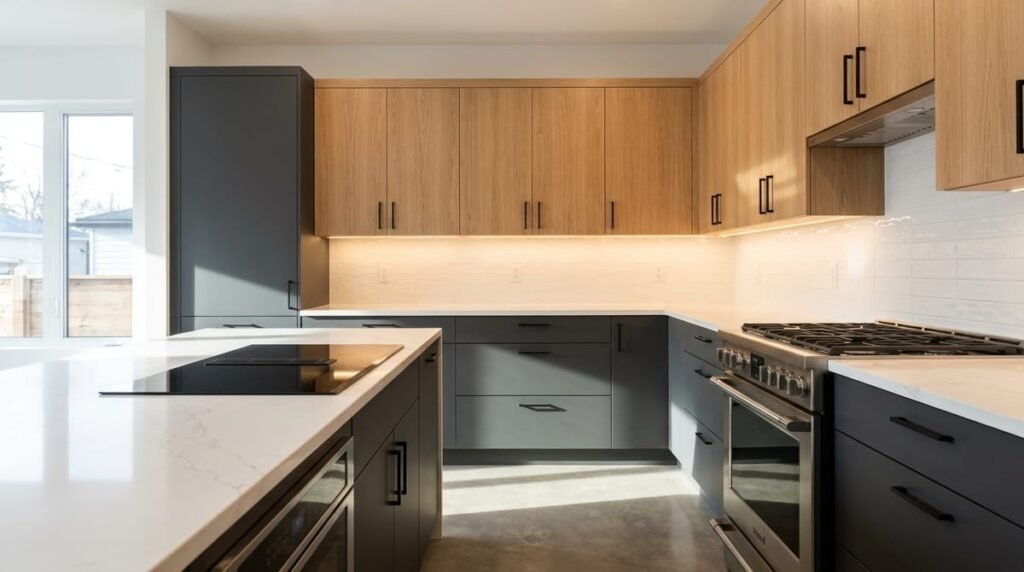
If your budget does not allow full cabinet replacement, consider at minimum replacing the doors and hardware on existing boxes, provided the boxes themselves are structurally sound. New doors in a modern profile with updated hardware can produce a significant visual transformation at a fraction of the cost.
3. Energy-Efficient Windows
Old single-pane windows are a red flag for buyers because they signal significant future costs. Single-pane glass provides almost no insulation. It allows heat to escape in winter and enter in summer, driving up utility bills year-round. It also transmits outside noise with minimal reduction.
Replacing old windows with double or triple-pane energy-efficient models reduces heating and cooling bills immediately. The improvement is measurable from the first utility cycle. Buyers know this, and they are willing to pay more for homes that already have them installed. The premium they assign typically recovers 70 to 80 percent of the window replacement cost.
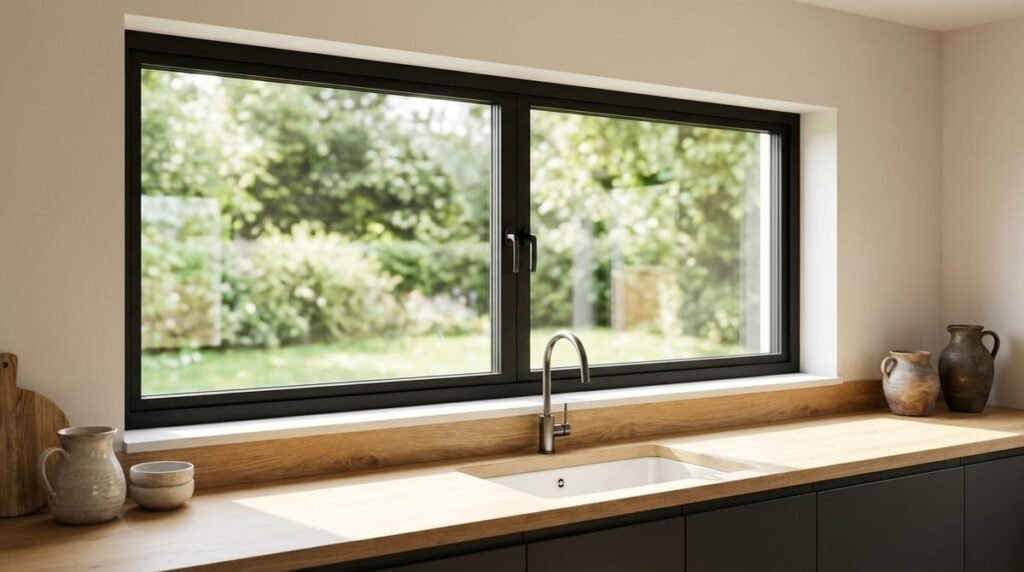
Beyond resale value, you benefit from lower utility bills every month you live in the home, reduced outside noise particularly important in urban areas, improved comfort throughout the house with fewer cold spots and drafts, and reduced condensation that can lead to mould around window frames.
The best time to replace windows is when you are already undertaking exterior work, as the labour costs for access and finishing can be shared across multiple projects.
4. A Finished Basement or Converted Attic
Adding usable living space without expanding your home’s footprint is one of the most cost-effective ways to increase value. A properly finished basement with insulation, vapour barrier, lighting, electrical, and climate control can serve as a home office, gym, media room, or guest suite.
Similarly, a converted attic can add a bedroom or creative workspace. Attic conversions require careful attention to building codes regarding ceiling height, egress windows, and stairway access, but when done properly, they add genuine livable square footage.
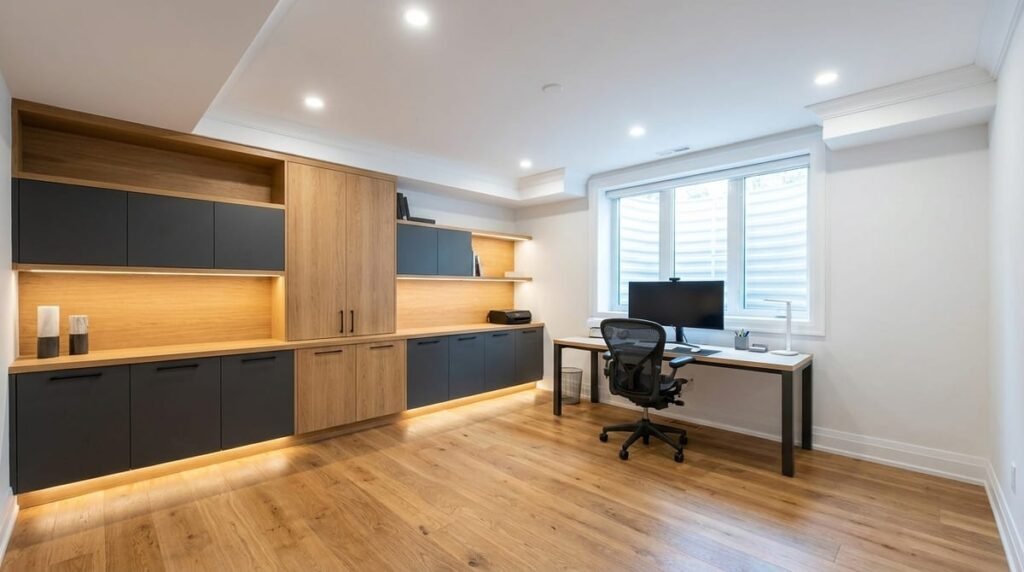
These conversions typically return 60 to 75 percent of their cost at resale. But the real calculation is broader than that. While you live in the home, you enjoy additional functional space that improves daily life. A home office in the basement saves the cost of co-working space or the discomfort of working at the kitchen table. A gym in the basement saves monthly gym membership fees. The return is both financial and practical.
The key is quality execution. A basement with obvious moisture issues, bare concrete patches, or amateur electrical work can actually decrease a home’s perceived value. Hire licensed contractors for electrical and plumbing, ensure proper moisture management, and finish the space to a standard consistent with the rest of the home.
5. Outdoor Deck or Patio Addition
Outdoor living space has become a top priority for buyers, especially since the shift toward remote work changed how people use their homes. A well-built deck or stone patio extends your usable living area and creates a natural entertaining zone that makes the property feel larger.
Wood decks typically recover 65 to 75 percent of their cost at resale. Composite decks cost more upfront but require less maintenance over time, which appeals to buyers who want low-upkeep properties. Composite also avoids the splintering, warping, and annual sealing requirements that natural wood demands.
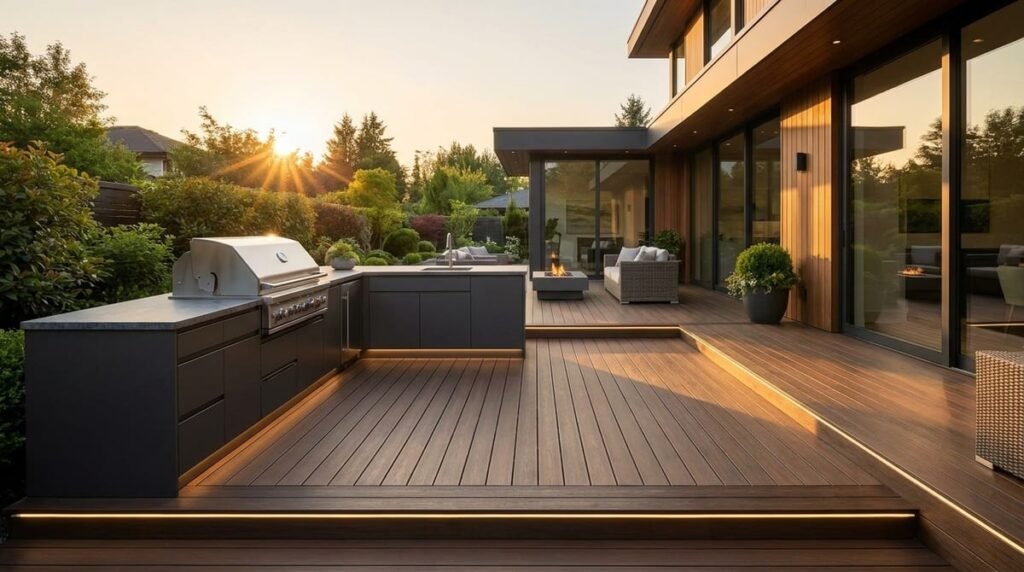
The most important factor is not the material but the design and integration with the house. A deck that flows naturally from a kitchen or living room through a sliding or French door feels like a genuine extension of the living space. A deck that requires walking through a narrow side door and down a set of steps to access feels like an afterthought.
Consider adding a pergola or shade structure if budget allows. Covered outdoor spaces are usable in light rain and provide sun protection, extending the seasonal use of the space in Canadian climates.
Making the Right Choice
The common thread across all five upgrades is practical value. Each one improves daily life for the current occupant while also contributing to long-term equity. Avoid upgrades that are purely aesthetic or highly personalized. Bold paint colours, built-in aquariums, and luxury tile patterns may reflect your taste perfectly but limit your buyer pool at resale.
Focus on projects that reduce future maintenance costs, lower operating expenses, add functional living space, or modernize the areas buyers scrutinize most closely. That approach protects your investment whether you sell next year or stay for twenty more.