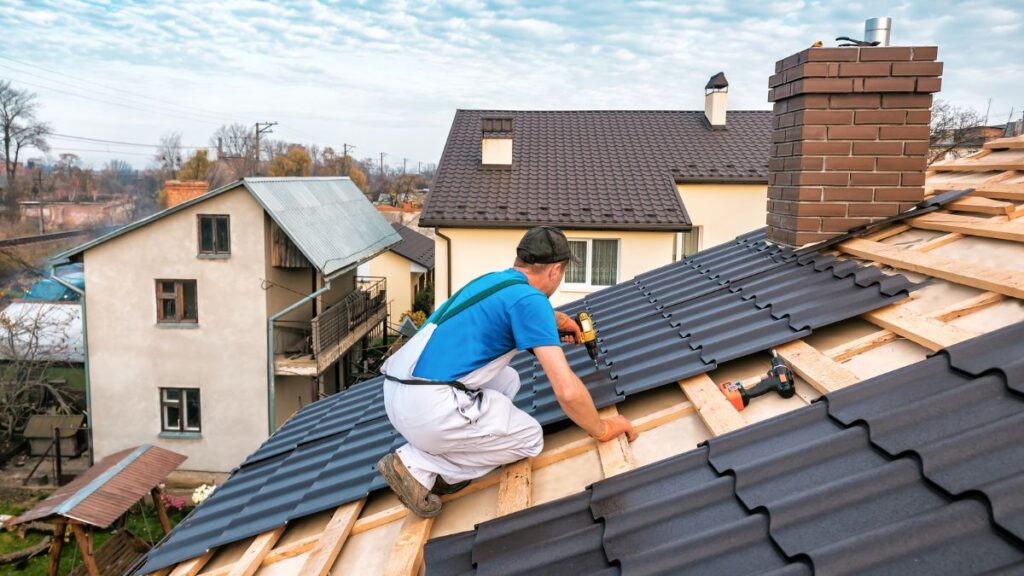
Your roof works tirelessly to shield your home from rain, snow, wind, and scorching sun. Yet, most homeowners only think about their roof when something goes visibly wrong—a leak dripping into the living room or shingles scattered across the lawn after a storm.
This reactive approach costs American homeowners billions annually in preventable repair expenses. The reality is simple: a small crack in flashing today can become a $5,000 water damage nightmare tomorrow. Regular roof inspections act as your early warning system, catching minor issues before they escalate into budget-breaking emergencies.
Think of roof inspections like routine oil changes for your car. Skip them, and you might save $100 today—but risk a $3,000 engine replacement later. The same principle applies to your roof, except the stakes are even higher. Your home is likely your largest financial investment, and your roof is its primary defense system.
In this comprehensive guide, you’ll discover exactly how professional roof inspections save you money, when to schedule them, what inspectors look for, and how to maximize your roof’s lifespan while minimizing expenses.
The Financial Impact: Understanding Roof Inspection ROI
Cost Comparison: Prevention vs. Repair
The numbers tell a compelling story. Here’s what homeowners typically face:
| Issue Type | Early Detection Cost | Delayed Repair Cost | Potential Savings |
|---|---|---|---|
| Missing/damaged shingles | $100 – $300 | $2,000 – $5,000 (water damage) | $1,700 – $4,700 |
| Minor flashing crack | $200 – $500 | $3,000 – $8,000 (structural rot) | $2,500 – $7,500 |
| Small chimney leak | $500 – $1,500 | $5,000+ (interior damage) | $3,500 – $5,000 |
| Clogged gutters | $150 – $400 (cleaning) | $2,500 – $6,000 (foundation issues) | $2,100 – $5,600 |
| Ventilation problems | $300 – $800 | $4,000 – $10,000 (premature aging) | $3,200 – $9,200 |
According to the National Roofing Contractors Association, homeowners who maintain regular inspection schedules reduce their lifetime roofing costs by up to 50%. That’s not a minor savings—it’s the difference between spending $30,000 or $15,000 over your roof’s lifetime.
The True Cost of Emergency Repairs
Emergency roof repairs carry premium price tags for several reasons:
- After-hours fees: Emergency services during nights, weekends, or holidays can cost 25-50% more than scheduled repairs
- Temporary solutions: Tarping and emergency patches ($300-$800) become necessary before permanent fixes
- Secondary damage: Water intrusion damages ceilings, insulation, drywall, and electrical systems
- Rushed decisions: Emergency situations limit your ability to compare quotes and choose quality contractors
A routine inspection costs between $150-$400 on average, with many roofing companies offering them free as part of maintenance programs. Compare that to the $1,500-$3,000 average emergency repair bill, and the value becomes crystal clear.
Top 8 Ways Roof Inspections Save You Money
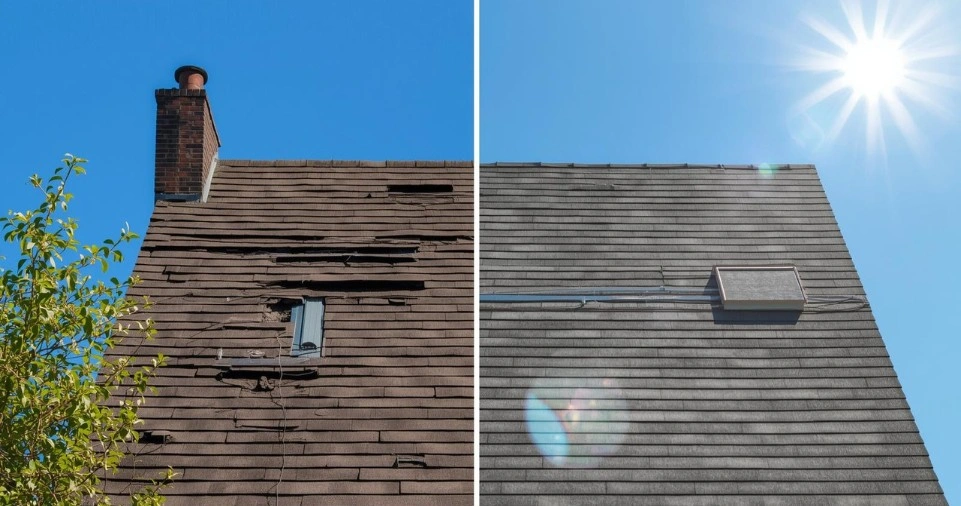
Property types vary in inspection needs, from multi-story homes to historic buildings needing roof repair Annapolis specialists and commercial structures.
1. Early Detection Prevents Expensive Escalation
Small roofing problems rarely stay small. A single damaged shingle creates an entry point for moisture. Over weeks and months, that moisture:
- Saturates insulation, reducing its R-value and energy efficiency
- Rots wooden deck boards and roof framing
- Creates mold colonies that spread through attic spaces
- Stains and damages interior ceilings and walls
- Corrodes electrical wiring in affected areas
Real-World Example: A homeowner in Cleveland ignored a small leak around a chimney flashing for six months. What started as a $400 repair became a $7,200 project requiring new decking, insulation replacement, interior ceiling repair, and mold remediation.
Professional inspectors identify issues like:
- Hairline cracks in flashing (before they widen)
- Loose or curling shingles (before wind tears them off)
- Early granule loss (signaling shingle deterioration)
- Minor seal failures (before water penetrates)
- Beginning stages of algae or moss growth
2. Extended Roof Lifespan Delays Replacement Costs
Your roof’s expected lifespan depends on materials and maintenance:
| Roofing Material | Expected Lifespan (Maintained) | Lifespan (Neglected) | Replacement Cost Range |
|---|---|---|---|
| Asphalt shingles | 20-30 years | 12-18 years | $8,000 – $15,000 |
| Architectural shingles | 30-50 years | 18-25 years | $12,000 – $20,000 |
| Metal roofing | 40-70 years | 25-40 years | $15,000 – $30,000 |
| Tile roofing | 50-100 years | 30-50 years | $20,000 – $40,000 |
| Slate roofing | 75-150 years | 40-75 years | $30,000 – $60,000+ |
Regular inspections extend your roof’s functional life by:
- Identifying ventilation issues that cause premature aging
- Catching UV damage early (faded, brittle shingles)
- Preventing moisture accumulation that rots underlayment
- Maintaining proper drainage to avoid standing water
- Preserving protective granule coatings on asphalt shingles
The Math: If inspections add just 5 years to a $15,000 asphalt roof’s lifespan, you’ve delayed that major expense significantly. Assuming a 3% annual inflation rate, delaying replacement by 5 years saves you approximately $2,300 in present-day dollars.
3. Prevention of Catastrophic Water Damage
Water is roofing’s greatest enemy. The Insurance Institute for Business & Home Safety reports that water damage claims account for nearly 20% of all homeowners insurance claims, with average payouts around $11,000.
Roof inspections prevent water damage by identifying:
Structural vulnerabilities:
- Sagging roof sections indicating deck failure
- Compromised valleys where water concentrates
- Improperly sealed penetrations (vents, pipes, skylights)
- Failed ice and water shield in critical areas
Drainage problems:
- Clogged or misaligned gutters
- Insufficient downspout capacity
- Negative slopes that pool water
- Debris accumulation in roof valleys
Seal failures:
- Cracked or missing caulking around chimneys
- Deteriorated boot seals on pipe penetrations
- Lifted or damaged step flashing
- Worn skylight seals
Once water infiltrates your home, it triggers a cascade of expensive problems:
- Wood rot requiring structural lumber replacement ($3,000-$10,000)
- Mold remediation services ($1,500-$5,000)
- Insulation replacement ($1,500-$4,000)
- Drywall and ceiling repairs ($2,000-$6,000)
- Electrical system inspection and repairs ($500-$2,500)
4. Improved Energy Efficiency Lowers Utility Bills
Your roof plays a crucial role in your home’s thermal envelope. Inspection findings that impact energy costs include:
Ventilation deficiencies:
- Insufficient soffit or ridge vents
- Blocked airflow paths in attic spaces
- Improperly balanced intake/exhaust ratios
- Missing or damaged baffles
Poor ventilation causes:
- Summer: Attic temperatures reaching 150°F, forcing AC systems to work 30-40% harder
- Winter: Heat loss through roof deck, increasing heating costs by 15-25%
- Year-round: Shortened HVAC equipment lifespan from overwork
Insulation problems:
- Compressed or wet insulation (lost R-value)
- Gaps in coverage creating thermal bridges
- Insufficient depth for climate zone requirements
- Damaged vapor barriers
According to the U.S. Department of Energy, homeowners can save $200-$500 annually by addressing roof-related energy inefficiencies. Over a typical 20-year period, that’s $4,000-$10,000 in cumulative savings.
5. Avoidance of Emergency Repair Premiums
Emergency roofing services cost significantly more than scheduled repairs:
| Service Type | Business Hours | After-Hours/Emergency | Premium Increase |
|---|---|---|---|
| Basic repair visit | $150-$300 | $300-$500 | +100% |
| Leak repair | $400-$800 | $750-$1,500 | +87% |
| Temporary tarping | N/A | $300-$800 | Emergency only |
| Storm damage repair | $1,000-$2,500 | $2,000-$4,000 | +100% |
Regular inspections eliminate surprise failures by:
- Scheduling repairs during contractors’ slower seasons (better rates)
- Allowing time to gather multiple competitive quotes
- Enabling budget planning for necessary work
- Preventing urgent situations during severe weather
- Maintaining control over contractor selection and timing
Case Study: A Milwaukee homeowner who scheduled bi-annual inspections discovered weakening flashing in September. They scheduled the $450 repair for October during the contractor’s off-season. Their neighbor, who skipped inspections, faced a $1,800 emergency leak repair during a December blizzard, plus $400 in temporary tarping.
6. Preservation of Home Value and Marketability
Real estate professionals consistently rank roofs among the top three factors affecting home values and sale speed. Here’s the impact:
For selling your home:
- Homes with documented roof maintenance sell 15-20% faster
- Well-maintained roofs can add 3-5% to home sale price
- Poor roof condition typically triggers $5,000-$15,000 buyer concessions
- Home inspections citing roof issues kill approximately 15% of pending sales
For property appraisal:
- Recent roof replacement: +$10,000-$20,000 in appraised value
- Well-maintained existing roof: Maintains current value
- Neglected roof: -$5,000-$15,000 in appraised value
- Failed inspection items: Can prevent mortgage approval
Visual appeal matters:
- Curb appeal drives 40% of first impressions
- Stained, damaged, or aged roofs signal deferred maintenance
- Clean, uniform roofs suggest well-cared-for properties
- Moss, algae, or missing shingles create negative perceptions
Regular inspections maintain documentation showing:
- Proactive maintenance history
- Timely repairs of identified issues
- Professional contractor involvement
- Warranty compliance and validity
7. Reduced Insurance Premiums and Simplified Claims
Insurance companies reward risk reduction. Regular roof maintenance affects your homeowners insurance in several ways:
Premium reductions:
- Some insurers offer 5-20% discounts for documented maintenance programs
- Impact-resistant roofing materials can reduce premiums by 10-30%
- Regular inspections demonstrate risk mitigation
- Newer roofs (under 10 years) typically receive better rates
Claims approval:
- Inspection records prove maintenance wasn’t neglected
- Documentation helps distinguish storm damage from wear
- Professional reports support damage extent claims
- Maintenance history prevents denial due to “lack of upkeep”
Coverage protection:
- Some policies require periodic inspections for coverage continuation
- Neglected roofs over 20 years may face coverage restrictions
- Documented maintenance maintains full policy benefits
- Prevents surprise coverage gaps during claim events
Important Note: Many insurance companies now require roof inspections for homes with roofs over 15 years old. Failing to maintain your roof could result in coverage denial or forced expensive upgrades.
8. Enhanced Safety for Your Household
Beyond finances, roof inspections identify safety hazards:
Structural dangers:
- Weakened decking that could collapse under weight
- Sagging sections indicating failed support beams
- Soft spots dangerous for maintenance workers
- Ice dam damage creating sudden release hazards
Electrical risks:
- Water intrusion near electrical systems
- Damaged service mast connections
- Compromised attic wiring insulation
- Lightning damage to grounding systems
Health hazards:
- Mold and mildew growth from leaks
- Pest infestations in damaged areas
- Allergen accumulation in compromised insulation
- Poor air quality from roof ventilation failures
Professional inspectors use:
- Infrared cameras to detect hidden moisture
- Moisture meters for material saturation levels
- Drones for safe high-access inspections
- OSHA-compliant safety equipment
What Professional Roof Inspections Include
Comprehensive 40-Point Inspection Checklist
Professional roofing contractors conduct systematic evaluations covering:
Exterior Assessment:
- Overall roof condition and age
- Shingle status (cracking, curling, missing, granule loss)
- Flashing condition around chimneys, vents, and skylights
- Valley integrity and water channeling
- Ridge cap condition and seal quality
- Soffit and fascia condition
- Gutter attachment and alignment
- Downspout function and drainage
- Chimney mortar and cap condition
- Vent pipe boot seals
- Roof penetration seals
- Ice and water shield visibility
- Drip edge installation
- Rake edge condition
- Eave condition
Interior Evaluation:
- Attic insulation depth and condition
- Vapor barrier integrity
- Ventilation adequacy (soffit and ridge)
- Attic temperature and moisture levels
- Decking condition from below
- Rafter and truss condition
- Signs of water staining
- Mold or mildew presence
- Pest activity or damage
- Electrical system condition in attic
Structural Analysis:
- Roof slope and drainage patterns
- Sagging or uneven areas
- Truss or rafter integrity
- Load-bearing capacity
- Proper framing connections
- Deck attachment adequacy
Specialized Components:
- Skylight seals and flashing
- Solar panel attachments (if present)
- Satellite dish mounting
- Antenna installations
- Roof access hatches
- Attic fans and turbines
- Plumbing vent stacks
- HVAC penetrations
- Chimney cricket or saddle
Documentation and Reporting
Professional inspections provide:
- Detailed written reports with findings
- Photographic evidence of issues
- Thermal imaging results (if applicable)
- Prioritized repair recommendations
- Cost estimates for necessary work
- Maintenance suggestions
- Timeline for addressing issues
- Warranty compliance verification
When to Schedule Roof Inspections: Optimal Timing
Recommended Inspection Frequency
| Roof Age | Inspection Frequency | Rationale |
|---|---|---|
| 0-5 years | Once per year | Warranty compliance; catch installation issues |
| 6-10 years | Twice per year | Monitor wear patterns; preventive maintenance |
| 11-15 years | Twice per year + post-storm | Mid-life maintenance critical period |
| 16-20 years | Three times per year | Increased failure risk; replacement planning |
| 20+ years | Quarterly | High failure risk; prepare for replacement |
Best Times for Seasonal Inspections
Spring Inspection (April-May):
- Assesses winter damage from ice, snow, and freeze-thaw cycles
- Identifies ice dam damage and related issues
- Prepares roof for summer storm season
- Allows time for repairs before peak heat
- Contractors have better availability
Fall Inspection (September-October):
- Evaluates summer storm and heat damage
- Prepares roof for winter weather
- Identifies drainage issues before leaf accumulation
- Optimal temperature for repairs
- Off-season contractor pricing
Additional Inspection Triggers:
After severe weather events:
- Hailstorms (any size hail)
- Wind events over 50 mph
- Heavy snow loads (over 2 feet accumulation)
- Ice storms
- Tornado or hurricane proximity
- Fallen trees or large branches
During property transactions:
- Before listing home for sale
- During buyer’s inspection period
- After purchasing a new home
- For refinancing requirements
- Insurance policy renewals
When you notice warning signs:
- Interior water stains
- Missing or damaged shingles visible from ground
- Granules in gutters
- Sagging roof sections
- Daylight visible in attic
- Sudden spike in energy bills
- Visible mold or mildew
Common Regional Roofing Issues
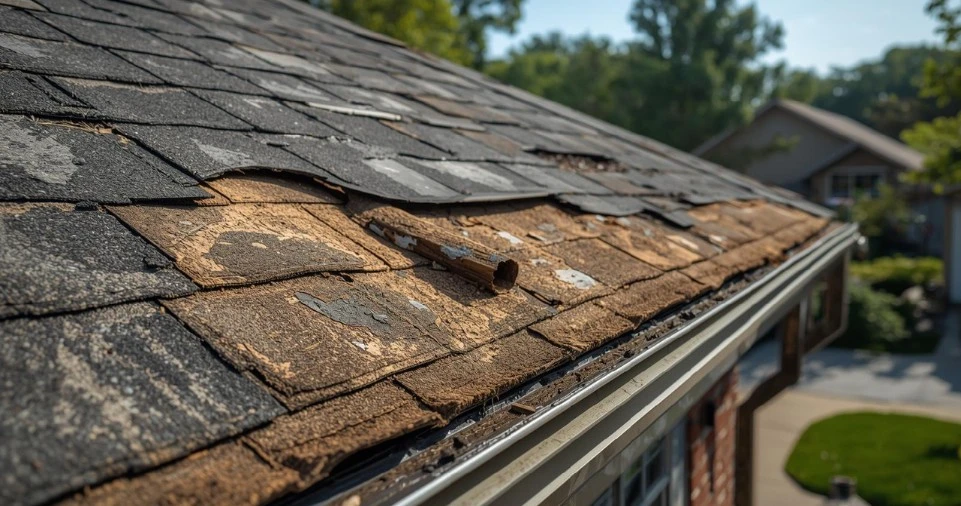
Different climates create unique roofing challenges:
Cold Climate Problems (Northeast, Midwest)
Ice Dams:
- Form when heat escapes through poor insulation
- Snowmelt refreezes at eaves, creating dams
- Backed-up water lifts shingles and penetrates
- Prevention: proper ventilation and insulation
- Detection requires thermal imaging
Freeze-Thaw Cycles:
- Water enters cracks, freezes, and expands
- Creates progressively larger damage
- Particularly affects flashing and seals
- Annual cycle accelerates deterioration
- Most active in shoulder seasons
Snow Load Stress:
- Heavy accumulation strains roof structure
- Ice buildup adds concentrated weight
- Can cause deck deformation or collapse
- Requires structural assessment
- Critical for older roofs
Hot Climate Challenges (South, Southwest)
UV Degradation:
- Intense sun breaks down shingle materials
- Accelerated granule loss
- Brittle, cracked shingles
- Faded appearance
- Shortened lifespan by 5-10 years
Thermal Expansion/Contraction:
- Extreme temperature swings stress materials
- Creates gaps in seals and flashing
- Loosens fasteners over time
- Particularly affects metal components
- Requires flexible sealants
Heat-Related Aging:
- Attic temperatures over 150°F common
- Accelerates material degradation
- Compromises adhesive bonds
- Reduces shingle oil content
- Critical need for ventilation
Coastal Considerations (Atlantic, Pacific, Gulf)
Salt Air Corrosion:
- Accelerates metal component deterioration
- Affects flashing, fasteners, gutters
- Requires corrosion-resistant materials
- Necessitates more frequent inspections
- Specialized coating applications
Hurricane/Wind Damage:
- Sustained high winds test adhesion
- Saltwater exposure during storms
- Debris impact damage
- Requires impact-resistant materials
- Post-storm inspections critical
Moisture and Humidity:
- Promotes mold, mildew, and algae
- Accelerates wood rot
- Requires enhanced ventilation
- Algae-resistant shingles recommended
- Regular cleaning necessary
DIY vs. Professional Inspections: Why Expertise Matters
Limitations of Self-Inspection
Many homeowners attempt DIY roof inspections to save money, but this approach has significant drawbacks:
Safety Risks:
- Falls from roofs cause 150,000+ injuries annually
- Slippery surfaces (moss, wet shingles, morning dew)
- Hidden soft spots in damaged decking
- Inadequate fall protection equipment
- Steep slopes magnify danger
- Medical costs far exceed inspection fees
Knowledge Gaps:
- Untrained eyes miss subtle damage
- Can’t assess structural adequacy
- Don’t recognize regional-specific issues
- Lack understanding of material lifespans
- Unable to identify code violations
- Miss ventilation and insulation problems
Equipment Limitations:
- No thermal imaging cameras
- Lack moisture detection meters
- Missing specialized tools
- Can’t access difficult areas safely
- No drone capability for high areas
- Insufficient documentation ability
Legal and Warranty Issues:
- Walking on roof may void warranties
- Can cause inadvertent damage
- No professional liability insurance
- Documentation inadequate for insurance
- Cannot certify condition for sales
- Missing credentials for claims
Value of Professional Expertise
Licensed roofing contractors bring:
Training and Certification:
- Manufacturer-specific training programs
- Industry certification requirements
- Continuing education mandates
- Regional code knowledge
- Material science understanding
- Installation best practices
Advanced Technology:
- Infrared thermal imaging ($15,000-$25,000 equipment)
- Moisture detection systems
- Drone inspection capabilities
- Professional photography
- Detailed reporting software
- GPS roof measurement tools
Experience Recognition:
- Pattern recognition from thousands of roofs
- Knowledge of common failure modes
- Understanding of regional issues
- Familiarity with various materials
- Awareness of manufacturer defects
- Historical perspective on longevity
Insurance and Liability:
- Workers compensation coverage
- General liability insurance
- Professional errors and omissions insurance
- Bonding and licensing
- Warranty on inspection services
- Protection from claims
Comprehensive Reporting:
- Detailed written documentation
- Photographic evidence library
- Thermal imaging results
- Prioritized repair recommendations
- Cost estimates and timelines
- Maintenance scheduling
Actionable Tips: Maximizing Roof Inspection Benefits
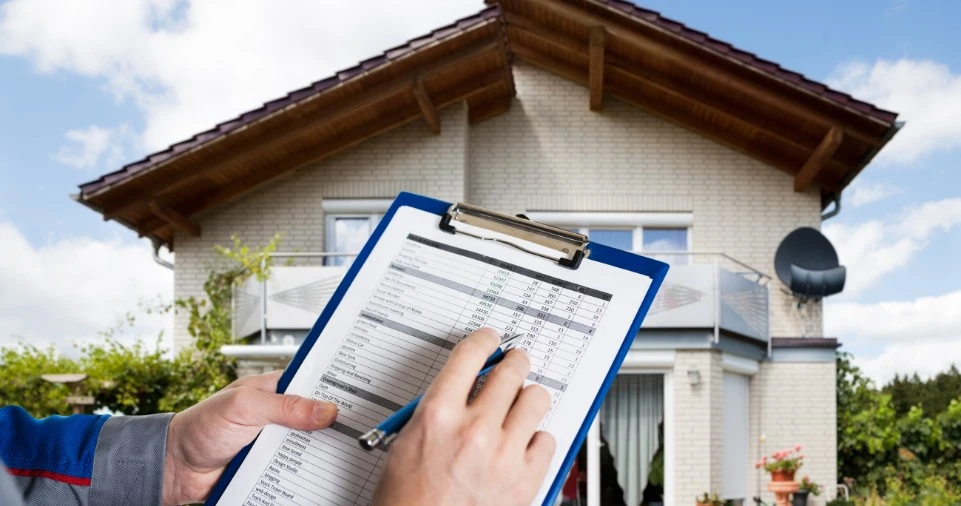
How to Prepare for Your Inspection
Before the Inspector Arrives:
- Clear roof access: Trim overhanging branches within 6 feet of roof
- Document concerns: List any issues you’ve noticed (leaks, stains, damage)
- Gather documentation: Locate previous inspection reports, repair receipts, warranty papers
- Clear attic access: Ensure inspector can easily reach attic spaces
- Secure pets: Keep animals contained during inspection
- Note weather events: Record recent storms, hail, or high winds
- Remove obstructions: Clear items from around foundation and downspouts
Questions to Ask Your Inspector:
- How many years of roofing experience do you have?
- Are you licensed, bonded, and insured?
- What specific training have you completed?
- Will you provide a written report with photos?
- What areas will you inspect?
- How long will the inspection take?
- When will I receive the report?
- Do you offer repair services, or should I hire separately?
- What warranty do you provide on inspection findings?
- Can you identify insurance-claimable damage?
Interpreting Your Inspection Report
Professional reports typically categorize findings as:
Immediate Attention Required (Red):
- Active leaks
- Structural damage
- Safety hazards
- Severe material failure
- Code violations
Repair Within 1-3 Months (Yellow):
- Moderate damage progression
- Failing seals and flashing
- Partial shingle loss
- Drainage problems
- Ventilation deficiencies
Monitor and Plan (Green):
- Normal aging signs
- Minor cosmetic issues
- Future planning items
- Maintenance recommendations
- Upgrade opportunities
Creating Your Roof Maintenance Plan
Based on inspection findings, develop:
Short-term actions (0-3 months):
- Emergency repairs
- Critical safety issues
- Active leak repairs
- Insurance claims filing
Medium-term planning (3-12 months):
- Scheduled repairs
- Material upgrades
- Ventilation improvements
- Gutter system enhancements
Long-term strategy (1-5 years):
- Replacement planning and budgeting
- Material selection research
- Contractor relationship building
- Financing options exploration
Ongoing maintenance (continuous):
- Quarterly visual checks from ground
- Gutter cleaning (twice yearly)
- Debris removal after storms
- Tree trimming maintenance
- Documentation of all work
Cost-Benefit Analysis: Real Numbers
Annual Inspection Investment vs. Potential Savings
| Expense Category | Annual Cost | 5-Year Total | Without Inspections | 5-Year Savings |
|---|---|---|---|---|
| Roof inspections | $300 | $1,500 | $0 | -$1,500 |
| Minor preventive repairs | $500 | $2,500 | $0 | -$2,500 |
| Total Investment | $800 | $4,000 | $0 | -$4,000 |
| Emergency repairs avoided | $0 | $0 | $3,500 | $3,500 |
| Water damage prevented | $0 | $0 | $6,000 | $6,000 |
| Energy savings | $300 | $1,500 | $0 | $1,500 |
| Extended lifespan value | $400 | $2,000 | $0 | $2,000 |
| Insurance savings | $100 | $500 | $0 | $500 |
| Home value maintained | $0 | $0 | -$5,000 | $5,000 |
| Total Benefits | $800 | $4,000 | $4,500 | $18,500 |
| Net 5-Year Benefit | $14,500 |
This analysis shows that over just five years, homeowners who invest in regular inspections and preventive maintenance save an average of $14,500 compared to those who take a reactive approach.
Lifetime Roof Cost Comparison
Scenario A: Regular Maintenance (25-year asphalt roof)
- Initial installation: $12,000
- Biannual inspections ($300 x 50): $15,000
- Minor repairs over lifetime: $5,000
- Total investment: $32,000
- Roof lifespan achieved: 28 years
- Cost per year: $1,143
Scenario B: Neglected Roof (same home)
- Initial installation: $12,000
- No regular inspections: $0
- Emergency repairs: $8,500
- Premature replacement at year 18: $15,000
- Second roof needed at year 25: portion of cost $5,000
- Total investment: $40,500
- Effective coverage: 25 years
- Cost per year: $1,620
Difference: $8,500 saved over 25 years with regular inspections
Selecting the Right Roofing Contractor
Credentials to Verify
Essential Qualifications:
- ✓ Active state contractor license
- ✓ General liability insurance ($1M minimum)
- ✓ Workers compensation coverage
- ✓ Manufacturer certifications (GAF Master Elite, CertainTeed SELECT, etc.)
- ✓ Better Business Bureau accreditation
- ✓ Physical business address (not just P.O. box)
- ✓ Established business history (5+ years preferred)
Red Flags to Avoid:
- ✗ Requests for full payment upfront
- ✗ No written contract or warranty
- ✗ Pressure tactics or “today only” pricing
- ✗ Unmarked vehicles
- ✗ Reluctance to provide references
- ✗ No proof of insurance
- ✗ Cash-only payment requirements
Questions for Contractor Interviews
How long have you been in business locally?
- Look for: 5+ years, established reputation
What manufacturer certifications do you hold?
- Look for: Master Elite, Preferred, SELECT status
Can you provide references from recent inspection clients?
- Look for: 3-5 recent references, willingness to share
What does your inspection include?
- Look for: Comprehensive 30-40+ point checklist
Will you provide a detailed written report?
- Look for: Same-day or next-day detailed documentation
Do you offer maintenance programs?
- Look for: Scheduled inspection packages, priority service
How do you handle discovered issues?
- Look for: Transparent communication, detailed estimates
What is your inspection warranty?
- Look for: Guarantee on inspection thoroughness
Understanding Inspection Pricing
Typical cost ranges:
- Basic visual inspection: $150-$300
- Comprehensive inspection with report: $300-$500
- Thermal imaging inspection: $400-$600
- Pre-purchase inspection: $350-$600
- Post-storm damage assessment: $200-$400
Free inspections: Many reputable contractors offer free inspections as part of:
- Annual maintenance programs
- Initial service relationship building
- Storm damage assessment programs
- Potential repair customer acquisition
Important: Free doesn’t mean lower quality. Many established companies offer complimentary inspections knowing that building trust leads to repair work and long-term relationships.
Special Considerations for Different Home Types
Multi-Story Homes
Unique challenges:
- Higher fall risk during inspections
- More complex roof systems
- Multiple roof levels and transitions
- Greater structural loads
- More penetrations (chimneys, vents)
Inspection considerations:
- Requires specialized safety equipment
- Drone inspection may be preferred
- Multiple roof planes need individual assessment
- Valley intersections critical failure points
- Higher inspection costs ($400-$600)
Historic Properties
Specialized needs:
- Preservation requirements
- Unique materials (slate, clay tile, wood shake)
- Code compliance vs. historical integrity
- Specialized contractor expertise
- Preservation society guidelines
Inspection focus:
- Material-specific deterioration patterns
- Historical accuracy of repairs
- Modern waterproofing integration
- Structural adequacy for age
- Preservation grant eligibility
Commercial Properties
Additional complexity:
- Larger roof area
- Flat or low-slope systems
- HVAC equipment loads
- Roof traffic considerations
- Warranty compliance requirements
Commercial inspection elements:
- Membrane integrity (TPO, EPDM, PVC)
- Drainage adequacy
- Penetration seals (numerous)
- Equipment mounting damage
- Traffic pattern wear
- Building code compliance
Insurance and Roof Inspections: What You Need to Know
Policy Requirements
Common insurance mandates:
- Roofs over 15 years may require inspection for coverage renewal
- Some policies require biannual professional inspections
- Documentation must be maintained for claims
- Certain materials may be prohibited or restricted
- Impact-resistant materials may be required in hail-prone areas
Filing Claims
How inspections help with insurance claims:
- Damage documentation: Professional photos and reports establish baseline
- Causation proof: Inspection dates help distinguish storm damage from wear
- Maintenance evidence: Shows responsible ownership
- Scope validation: Independent assessment of damage extent
- Claim support: Professional reports carry more weight than homeowner statements
Best practices:
- Schedule inspection within 72 hours of damage event
- Document all findings photographically
- Keep all inspection reports in permanent file
- Notify insurer promptly of damage
- Obtain multiple repair estimates
- Don’t begin repairs until adjuster reviews (except emergency tarping)
Warranty Protection
Manufacturer warranties typically require:
- Installation by certified contractors
- Periodic professional inspections
- Prompt repair of discovered issues
- Use of specified maintenance procedures
- Documentation of all work
Inspection timing for warranty:
- Year 1: Installation defect discovery period
- Year 5: Mid-warranty check
- Year 10: Extended warranty eligibility verification
- Any time: Before filing warranty claims
Environmental and Sustainability Benefits
Extending Roof Life Reduces Waste
Environmental impact of roof replacement:
- Average tear-off generates 1-3 tons of landfill waste
- Asphalt shingles take 300+ years to decompose
- Manufacturing new roofing materials is energy-intensive
- Transportation adds carbon emissions
Maintenance advantages:
- Keeps existing materials in service longer
- Reduces demand for new material production
- Minimizes transportation-related emissions
- Decreases landfill burden
- Preserves embedded energy in existing roof
Energy Efficiency Impact
How maintained roofs save energy:
- Proper ventilation reduces cooling costs by 10-15%
- Intact insulation maintains R-value efficiency
- Reflective surfaces stay effective longer
- Sealed air leaks prevent thermal loss
- Reduced HVAC runtime extends equipment life
Carbon footprint reduction:
- Lower energy use means fewer emissions
- Extended roof life reduces material production
- Efficient homes require less power generation
- Preserved resources benefit environment
Conclusion: The Smart Investment in Home Protection
Regular roof inspections from a credible company like residential roofer Leesburg VA is not an expense—its one of the wisest investments you can make as a homeowner. The evidence is overwhelming:
Financial Benefits:
- Save $14,500+ over 5 years compared to reactive maintenance
- Extend roof lifespan by 5-15 years
- Reduce emergency repair costs by 50-75%
- Lower energy bills by $200-$500 annually
- Maintain and increase home value
- Potentially reduce insurance premiums
Peace of Mind:
- Sleep soundly during storms
- Avoid emergency repair stress
- Protect your family’s safety
- Maintain your home’s comfort
- Preserve your largest investment
Long-Term Strategy:
- Plan for eventual replacement with adequate time
- Budget for repairs instead of facing surprises
- Build relationships with trusted contractors
- Maintain comprehensive documentation
- Protect warranty coverage
Your Action Plan Starts Today
Immediate steps:
- Schedule your first inspection if your roof hasn’t been professionally evaluated in the past year
- Gather documentation of any previous inspections, repairs, or warranties
- Research local contractors with proper credentials and certifications
- Check your insurance policy for any inspection requirements
- Set calendar reminders for biannual inspections (spring and fall)
Long-term commitment:
- Create a roof maintenance file for all documentation
- Budget $800-$1,200 annually for inspections and minor repairs
- Build a relationship with a trusted roofing contractor
- Respond promptly to inspection findings
- Stay proactive rather than reactive
Ready to Protect Your Investment?
Don’t wait for a leak to remind you your roof needs attention. Contact a licensed, insured roofing contractor today to schedule your comprehensive roof inspection. Your future self—and your wallet—will thank you.
Remember: An ounce of prevention is worth a pound of cure. In roofing terms, a $300 inspection can prevent $10,000 in damage. That’s not just good advice—it’s financial wisdom that protects your home, your family, and your peace of mind for years to come.