
Purchasing a new home represents one of the most significant financial decisions you’ll make in your lifetime. With the average American spending 30-40 years in a single home, identifying the features that truly matter goes beyond aesthetic appeal—it’s about finding a space that enhances your quality of life, maintains its value, and adapts to your evolving needs.
The modern real estate market offers an overwhelming array of choices, from energy-efficient smart homes to traditionally designed properties with timeless appeal. According to recent housing trends, 73% of home buyers report feeling uncertain about which features justify higher price points, and 58% wish they had prioritized different elements before making their purchase.
This comprehensive guide will help you navigate the home-buying process by identifying essential features, understanding their long-term value, and creating a personalized checklist that aligns with your lifestyle and investment goals.
Understanding Your Priorities Before House Hunting
Before touring properties or meeting with real estate agents, invest time in self-assessment. Your ideal home should reflect not just your current situation but also anticipated life changes over the next 5-10 years.
Defining Your Lifestyle Requirements
Consider these fundamental questions:
- Family dynamics: Are you planning to expand your family, or will children soon leave for college?
- Work arrangements: Do you need a dedicated home office for remote work?
- Entertainment preferences: Do you frequently host gatherings, or do you prefer intimate spaces?
- Physical accessibility: Will aging parents or family members with mobility challenges visit regularly?
- Pet considerations: Do you have or plan to have pets that require outdoor space?
Creating a Feature Priority Matrix
Organize potential home features into three categories:
| Priority Level | Description | Examples |
|---|---|---|
| Must-Have | Non-negotiable features essential to daily life | Minimum 3 bedrooms, attached garage, updated kitchen, good school district |
| Highly Desirable | Features that significantly enhance comfort and value | Master suite with ensuite bathroom, open floor plan, energy-efficient windows, fenced backyard |
| Nice-to-Have | Bonus features that add enjoyment but aren’t essential | Three-Season Room, media room, outdoor kitchen, smart home technology, luxury finishes |
This framework prevents emotional decision-making and keeps you focused on features that deliver genuine value.
Essential Structural Features That Define Home Quality
The foundation of any valuable home lies in its structural integrity and spatial design. These elements directly impact both your daily comfort and the property’s resale potential.
Open Floor Plans vs. Traditional Layouts
Open floor plans have dominated new construction for over a decade, and for good reason. This design philosophy removes walls between the kitchen, dining, and living areas, creating a continuous flow that maximizes square footage and natural light.
Benefits of Open Floor Plans:
- Enhanced social interaction during family gatherings and entertaining
- Improved sight lines for parents supervising children
- Greater flexibility in furniture arrangement
- Increased natural light penetration throughout the space
- Perception of larger living areas without additional square footage
When Traditional Layouts Work Better:
- Homes with multiple generations requiring privacy
- Situations requiring dedicated quiet spaces for remote work
- Formal entertaining preferences
- Homes in historic districts maintaining architectural integrity
Pro Tip: Even in open-concept homes, look for subtle separations like half-walls, columns, or varied ceiling heights that define spaces without creating barriers.
The Master Suite: Modern Necessity or Luxury?
The master suite has transitioned from luxury feature to standard expectation in contemporary home design. 60% of home buyers now consider an ensuite bathroom non-negotiable when purchasing properties over $300,000.
Essential Master Suite Components:
- Adequate bedroom space: Minimum 14×16 feet for king-size bed and furniture
- Private bathroom access: Preferably with double vanities for couples
- Walk-in closet: At least 6×8 feet with organizational systems
- Natural light: Multiple windows or doors to outdoor spaces
- Separation from other bedrooms: Noise isolation for better sleep quality
Real-World Example: Sarah and Michael, first-time buyers in Arizona, initially overlooked master suite quality while focusing on kitchen upgrades. After two years, the cramped bathroom with a single sink became their biggest frustration during morning routines. When they sold five years later, prospective buyers consistently flagged the outdated master bath, forcing a $15,000 price reduction.
Storage Solutions: The Hidden Value Driver
Inadequate storage ranks among the top three homeowner complaints, yet it’s often undervalued during initial tours. Modern families accumulate significant possessions—the average household owns approximately 300,000 items, making strategic storage essential.
Critical Storage Assessment Points:
| Storage Type | Minimum Standard | Optimal Standard |
|---|---|---|
| Master Bedroom Closet | 6×6 feet walk-in | 8×10 feet with custom organization |
| Secondary Bedrooms | 4-foot reach-in closet per room | 6-foot reach-in or small walk-in |
| Linen Closets | One per floor | Two per floor (minimum 2×4 feet each) |
| Pantry Space | 3×4 feet reach-in | 5×7 feet walk-in pantry |
| Garage Storage | Wall-mounted shelving | Built-in cabinets plus overhead racks |
| Entry/Mudroom | Coat closet | Dedicated mudroom with benches and cubbies |
Innovative Storage Features to Look For:
- Under-stair storage with pull-out drawers or custom shelving
- Built-in window seats with hidden compartments
- Attic storage with pull-down stairs and flooring
- Deep pantries with sliding shelves for better organization
- Garage ceiling storage racks for seasonal items
Kitchen and Bathroom Essentials: Where Investment Pays Off
The kitchen and bathrooms are universally recognized as the most valuable rooms in any home. Real estate professionals consistently report that updated kitchens and bathrooms can increase home values by 10-15% and accelerate sales by 30-40%.
Functional Kitchen Design Elements
The modern kitchen serves multiple roles: cooking workspace, family gathering spot, homework station, and social hub. A thoughtfully designed kitchen balances aesthetics with practical functionality.
Must-Have Kitchen Features:
- Ample Counter Space
- Minimum 12 linear feet for meal preparation
- Island or peninsula providing additional workspace
- Dedicated landing zones near refrigerator, stove, and sink
- Quality Cabinetry and Storage
- Soft-close drawers and doors
- Pull-out shelving for base cabinets
- Vertical dividers for baking sheets and cutting boards
- Deep drawers for pots and pans
- Built-in spice racks and utensil organizers
- Modern Appliances
- Energy Star-rated refrigerator (at least 22 cubic feet for families)
- Gas or induction cooktop (preferred by 68% of serious home cooks)
- Double ovens or oven-microwave combination
- Quiet dishwasher (less than 45 decibels)
- Proper ventilation (minimum 400 CFM range hood)
- Functional Layout Triangle
- Distance between sink, stove, and refrigerator: 12-25 feet total
- No single leg longer than 9 feet
- Unobstructed pathways between work zones
- Lighting Layers
- Ambient ceiling fixtures for overall illumination
- Task lighting under cabinets for prep areas
- Pendant lights over islands for style and function
- Natural light from windows or skylights
Kitchen Countertop Comparison:
| Material | Durability | Maintenance | Cost Range | Best For |
|---|---|---|---|---|
| Granite | Excellent | Medium (periodic sealing) | $40-$100/sq ft | Traditional kitchens, high resale value |
| Quartz | Excellent | Low (no sealing needed) | $50-$120/sq ft | Busy families, modern aesthetics |
| Marble | Good | High (stains easily) | $50-$150/sq ft | Luxury homes, dedicated baking areas |
| Butcher Block | Good | High (regular oiling) | $30-$70/sq ft | Rustic styles, prep-focused cooks |
| Concrete | Excellent | Medium | $75-$150/sq ft | Contemporary designs, custom looks |
Bathroom Features That Enhance Daily Living
While kitchens draw immediate attention, bathrooms significantly impact daily quality of life. The master bathroom receives the most scrutiny, but don’t overlook secondary bathrooms—especially if you have children or frequently host guests.
Essential Bathroom Upgrades:
Master Bathroom:
- Double vanities with adequate counter space (minimum 60 inches wide)
- Separate shower and soaking tub (if space permits)
- Walk-in shower with bench seating and multiple shower heads
- Proper ventilation (bathroom exhaust fans rated for room size)
- Heated floors for cold climates
- High-end fixtures in brushed nickel, oil-rubbed bronze, or matte black
- Ample natural light with privacy considerations
Secondary Bathrooms:
- Tub-shower combinations for homes with children
- Water-efficient dual-flush toilets
- Adequate storage for toiletries and linens
- Good lighting around mirrors
- Durable, water-resistant flooring
Real-World Insight: Tom, a real estate agent in Maryland, notes: “I’ve seen homes sit on the market for months because of outdated bathrooms, even when everything else was perfect. Buyers today expect spa-like master bathrooms and functional secondary baths. A $20,000 bathroom renovation often returns $15,000-$18,000 at resale—one of the best ROI improvements you can make.”
Energy Efficiency and Sustainability: The Financial Smart Choice
Energy-efficient features have evolved from eco-conscious luxuries to financial necessities. With energy costs rising approximately 3-5% annually, efficient homes provide substantial long-term savings while reducing environmental impact.
Understanding Energy Efficiency Impact
The average American household spends $2,200 annually on energy bills. Energy-efficient homes can reduce these costs by 25-50%, translating to savings of $550-$1,100 per year. Over a 30-year mortgage, that’s $16,500-$33,000 in savings—enough to fund significant renovations or investments.
Key Energy Efficiency Features:
| Feature | Annual Savings | Environmental Impact | Home Value Increase |
|---|---|---|---|
| Energy-Efficient Windows | $125-$465 | Reduces CO2 emissions by 1,000-6,000 lbs | 1-2% |
| High-Efficiency HVAC | $150-$300 | Reduces CO2 emissions by 2,000-4,000 lbs | 2-3% |
| Solar Panels | $600-$1,200 | Reduces CO2 emissions by 8,000-15,000 lbs | 3-4% |
| Proper Insulation | $200-$600 | Reduces CO2 emissions by 2,500-7,500 lbs | 1-3% |
| LED Lighting | $75-$150 | Reduces CO2 emissions by 500-1,000 lbs | 0.5-1% |
| Smart Thermostat | $100-$200 | Reduces CO2 emissions by 1,200-2,400 lbs | 1-2% |
Evaluating HVAC Systems and Insulation
The heating, ventilation, and air conditioning (HVAC) system represents one of the largest energy consumers in your home. During home tours, don’t hesitate to ask about system age, efficiency ratings, and maintenance history.
HVAC System Assessment Checklist:
- Age of system: Units over 15 years old should be budgeted for replacement
- SEER rating: Modern units should have minimum SEER 16 (SEER 20+ for optimal efficiency)
- Maintenance records: Look for annual professional servicing
- Ductwork condition: Leaky ducts can waste 20-30% of heated or cooled air
- Programmable or smart controls: Automated temperature management saves 10-15% on energy bills
- Zoning capabilities: Multi-zone systems provide customized comfort and efficiency
Insulation Standards:
- Attic: R-38 to R-60 (depending on climate zone)
- Walls: R-13 to R-21
- Floors: R-25 to R-30
- Basement walls: R-10 to R-15
Windows and Doors: The Energy Envelope
Windows and doors constitute approximately 25-30% of residential heat loss and gain. Energy-efficient options dramatically improve comfort while reducing utility costs.
Modern Window Features:
- Double or triple-pane glass with argon or krypton gas fill
- Low-E (low-emissivity) coatings reflecting heat
- Insulated frames (vinyl, fiberglass, or wood-clad)
- Proper installation with sealed edges
- Energy Star certification for your climate zone
Energy-Efficient Door Options:
- Insulated steel or fiberglass construction
- Weatherstripping without gaps
- Tight-fitting frames
- Energy Star certification
- Storm doors for extreme climates
Outdoor Living Spaces: Extending Your Home’s Footprint
Outdoor areas significantly enhance lifestyle quality and property value. The COVID-19 pandemic accelerated demand for functional outdoor spaces, with most of home buyers now prioritizing yards, patios, and outdoor amenities.
Backyard Functionality and Design
A well-designed outdoor space serves as an extension of your home’s living area, providing venues for relaxation, entertainment, and recreation.
Essential Outdoor Features:
- Patio or Deck
- Minimum 12×12 feet for basic seating
- 16×20 feet or larger for entertaining
- Materials: composite decking, natural stone, pavers, or stamped concrete
- Covered options provide year-round usability
- Landscaping and Privacy
- Mature trees providing shade and cooling (reducing AC costs by 15-25%)
- Fencing or natural privacy screens
- Low-maintenance native plants adapted to local climate
- Irrigation systems for easier lawn and garden maintenance
- Functional Yard Space
- Flat, usable lawn areas (minimum 20×20 feet for play spaces)
- Garden beds or raised planters for growing vegetables and herbs
- Designated pet areas with proper drainage
- Storage sheds or outdoor closets for equipment and tools
Outdoor Living Enhancement Ideas:
| Feature | Investment Range | Value Added | Usage Frequency |
|---|---|---|---|
| Basic Patio | $3,000-$8,000 | High | Daily |
| Covered Deck | $15,000-$35,000 | High | Daily |
| Outdoor Kitchen | $5,000-$30,000 | Medium-High | Weekly |
| Fire Pit/Fireplace | $1,500-$10,000 | Medium | Weekly |
| Swimming Pool | $30,000-$100,000+ | Variable (location-dependent) | Seasonal |
| Hot Tub/Spa | $5,000-$15,000 | Medium | Weekly |
| Outdoor Lighting | $500-$3,000 | High | Daily |
| Pergola/Gazebo | $3,000-$15,000 | Medium | Weekly |
Location Considerations: Outdoor feature value varies significantly by region. Swimming pools add substantial value in warm climates like Arizona, Florida, and Southern California but may decrease appeal in northern states with short summers and high maintenance requirements.
Evaluating Sun Exposure and Yard Layout
Walk through the outdoor spaces at different times of day to assess:
- Morning sun: East-facing areas receive gentle morning light, ideal for breakfast patios and vegetable gardens
- Afternoon sun: South and west-facing areas get intense heat—perfect for pools but may require shade structures for comfort
- Shade patterns: Note how trees and structures create shade throughout the day
- Drainage and grading: Yard should slope away from the house foundation (minimum 6 inches drop over 10 feet)
- Accessibility: Consider paths from indoor spaces, garage access for yard equipment, and potential outdoor dining areas near the kitchen
Flexible and Multipurpose Rooms: Adapting to Life Changes
Modern homeowners increasingly value spaces that can evolve with changing needs. Homes with flexible, multipurpose rooms command premium prices and sell faster than those with rigid, single-purpose layouts.
Bonus Rooms and Adaptable Spaces
Flexible spaces allow your home to grow with your family without requiring expensive renovations or relocation.
Popular Multipurpose Room Configurations:
- Home Office/Guest Room Combo
- Murphy bed or high-quality sleeper sofa
- Built-in desk and shelving
- Proper electrical outlets for technology (minimum 8 outlets)
- Good natural light and privacy
- Playroom to Teen Hangout Evolution
- Durable flooring that transitions from play area to lounge space
- Ample storage that adapts from toys to gaming equipment
- Soundproofing considerations for noise management
- Access to bathroom without traversing main living areas
- Exercise Room/Craft Studio
- Resilient flooring (rubber mats, luxury vinyl)
- Mirrors for fitness activities
- Abundant storage for equipment or supplies
- Good ventilation and temperature control
- Dining Room to Home Office Conversion
- Large windows providing natural light
- Proximity to kitchen for convenient breaks
- Built-in or customizable storage solutions
- Doors or French doors providing sound separation
Layout Features Supporting Flexibility:
- Rooms sized between 12×12 and 14×16 feet (versatile for multiple purposes)
- Multiple electrical outlets and cable/ethernet jacks
- Good natural light from multiple windows
- Closets or built-in storage
- Proximity to bathrooms
- Sound insulation from main living areas
The Value of Finished Basements
Finished basements can add 70-75% of their remodel cost to home value while providing significant additional living space. A 1,000-square-foot finished basement might cost $30,000-$50,000 to complete but add $40,000-$60,000 in value.
Basement Considerations:
- Ceiling height: Minimum 7 feet (8+ feet preferred)
- Moisture control: Proper waterproofing, sump pump, and dehumidification
- Natural light: Egress windows or window wells
- Separate entrance: Enhances potential for in-law suite or rental income
- Bathroom rough-in: Plumbing infrastructure for future bathroom installation
Safety, Security, and Critical Home Systems
While often overlooked during exciting home tours, safety features and system integrity directly impact both livability and long-term costs.
Essential Safety Features
Modern homes should include comprehensive safety infrastructure protecting against common household hazards.
Non-Negotiable Safety Elements:
- Smoke detectors: One per bedroom, hallway, and level (interconnected preferred)
- Carbon monoxide detectors: One per level, especially near sleeping areas
- Fire extinguishers: Accessible in kitchen, garage, and workshop areas
- GFCI outlets: All outlets near water sources (bathrooms, kitchen, garage, outdoor areas)
- Handrails and guardrails: Code-compliant on all staircases and elevated areas
- Proper lighting: Well-lit staircases, entrances, and pathways
- Secure windows and doors: Quality locks on all entry points
Enhanced Security Options:
- Monitored security systems with motion sensors and cameras
- Smart doorbell cameras
- Motion-activated exterior lighting
- Fenced yards with self-closing gates (essential for families with young children or pets)
- Safe rooms or secure interior spaces
- Reinforced entry doors with deadbolts
Evaluating Major Home Systems
The age and condition of essential systems dramatically affect your total homeownership costs. During home inspections, pay particular attention to these critical components:
Home Systems Lifespan and Replacement Costs:
| System | Average Lifespan | Replacement Cost | Annual Maintenance |
|---|---|---|---|
| Roof (Asphalt Shingles) | 15-25 years | $5,000-$15,000 | $200-$500 |
| Roof (Metal) | 40-70 years | $10,000-$30,000 | $200-$400 |
| HVAC System | 15-20 years | $5,000-$12,000 | $150-$300 |
| Water Heater (Tank) | 8-12 years | $800-$2,000 | $100-$200 |
| Water Heater (Tankless) | 15-20 years | $1,500-$3,500 | $100-$200 |
| Electrical Panel | 25-40 years | $1,500-$3,000 | Minimal |
| Plumbing (Copper) | 50+ years | $4,000-$10,000 | $200-$400 |
| Plumbing (PEX) | 25-40 years | $2,500-$7,000 | $200-$400 |
| Windows | 15-30 years | $300-$1,000 per window | Minimal |
| Garage Door | 15-30 years | $800-$3,000 | $75-$150 |
Questions to Ask Sellers:
- When were major systems (HVAC, roof, water heater) last replaced or serviced?
- Can you provide maintenance records and warranties?
- Have there been any water intrusion issues or foundation repairs?
- What is the age of the electrical panel, and does it meet current code?
- Are there any known issues with plumbing, drainage, or septic systems?
Pro Tip: Budget 1-3% of your home’s value annually for maintenance and repairs. A $400,000 home should have a $4,000-$12,000 annual maintenance reserve to handle routine upkeep and unexpected issues.
Location and Neighborhood Factors: The Unchangeable Elements
Real estate professionals consistently emphasize: “You can change everything about a house except its location.” Neighborhood characteristics profoundly impact daily life quality, property values, and long-term satisfaction.
Proximity to Essential Amenities
Convenient access to daily necessities saves time, reduces transportation costs, and enhances quality of life.
Evaluate Distance to:
- Grocery stores and pharmacies: Within 10-15 minutes ideal
- Healthcare facilities: Proximity to quality hospitals and urgent care
- Schools: Even without children, good school districts maintain property values
- Public transportation: Reduces commuting costs and environmental impact
- Highways and major roads: Balance accessibility with noise considerations
- Employment centers: Shorter commutes improve work-life balance
- Parks and recreation: Walking trails, playgrounds, sports facilities
- Cultural amenities: Libraries, museums, theaters, restaurants
Commute Time Impact: Every 10-minute reduction in average commute time equates to approximately $19,000 in increased home value, according to research from the University of Pennsylvania.
Neighborhood Character and Community
Beyond physical proximity to amenities, neighborhood atmosphere significantly influences satisfaction and property values.
Assessment Criteria:
- Safety and Crime Rates
- Research local crime statistics through police department websites
- Visit at different times (day and evening) to observe activity
- Note presence of neighborhood watch programs
- Check sex offender registries in the area
- Property Maintenance Standards
- Well-maintained neighboring properties indicate community pride
- Note lawn care, exterior conditions, and overall upkeep
- Look for evidence of homeowners association standards
- Community Engagement
- Active neighborhood associations or social groups
- Community events and gatherings
- Nextdoor or local Facebook group activity
- Walkability and pedestrian-friendly infrastructure
- Future Development Plans
- Research zoning regulations and upcoming construction
- Identify planned commercial or residential developments
- Check for proposed infrastructure improvements or changes
Real-World Example: Jennifer and Mark purchased their home in a developing suburban neighborhood in Indiana, attracted by new construction and competitive pricing. Within three years, a planned community center, expanded shopping district, and improved schools increased their property value by 22%, far outpacing regional averages.
School District Quality
Even if you don’t have school-age children, school district quality remains one of the most significant factors affecting property values and resale potential.
School District Evaluation:
- Test scores and academic performance rankings (available through GreatSchools.org)
- Student-teacher ratios
- Graduation rates and college acceptance percentages
- Extracurricular programs and facilities
- Safety records and disciplinary policies
- School boundaries (proximity doesn’t guarantee attendance)
Value Impact: Homes in top-rated school districts (8-10 rating) sell for 15-25% more than comparable homes in lower-rated districts (3-5 rating), even when controlling for other factors.
Future-Proofing Your Investment: Thinking Long-Term
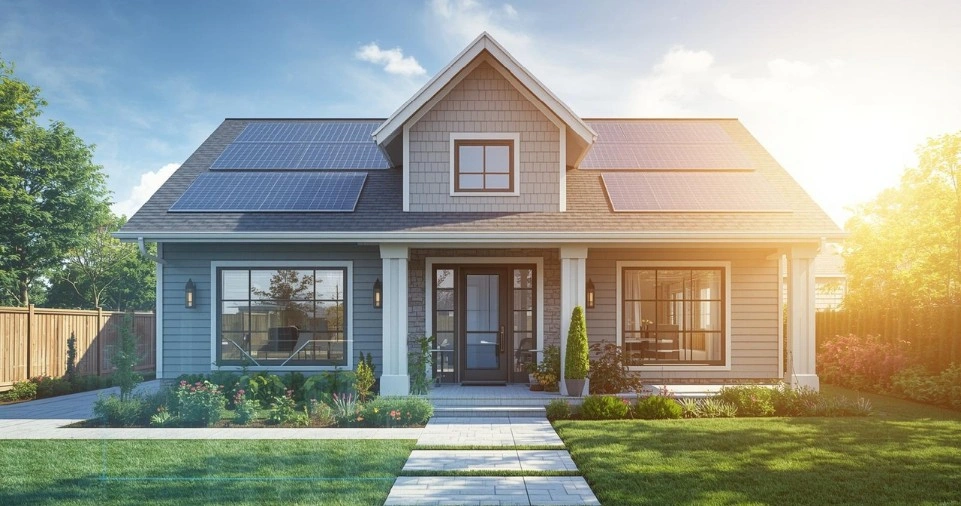
Smart home buyers consider not just their current needs but also future scenarios: aging in place, family expansion, changing work patterns, and eventual resale.
Features That Enhance Resale Value
While you should prioritize personal needs, certain features consistently attract buyers and command premium prices across all markets.
Universal Appeal Features:
- Updated kitchens with quality appliances and finishes
- Modern, spacious master suites
- Energy-efficient windows, insulation, and HVAC systems
- Open floor plans with defined spaces
- Hardwood or luxury vinyl flooring (avoiding carpet except in bedrooms)
- Neutral color palettes allowing easy personalization
- Ample storage throughout the home
- Two-car garage minimum (three-car preferred in suburban markets)
- Outdoor living spaces appropriate for climate
- Smart home features (programmable thermostats, security systems, integrated lighting)
Features to Approach Cautiously:
- Highly personalized design choices (bold colors, unconventional layouts)
- Swimming pools in cold climates (may limit buyer pool)
- Extensive DIY renovations (professional work commands higher values)
- Homes backing to busy roads or commercial properties
- Properties in areas with high HOA fees or restrictive covenants
Aging-in-Place Considerations
With Americans living longer and preferring to age in their own homes, accessibility features add value even for younger buyers thinking ahead.
Universal Design Elements:
- Single-story living or first-floor master suites
- Wide doorways (36 inches minimum) accommodating wheelchairs
- No-step entries and minimal stairs
- Lever-style door handles and faucets
- Walk-in showers with built-in seating
- Reinforced bathroom walls for future grab bar installation
- Good lighting throughout (reducing fall risks)
- Open floor plans eliminating navigation obstacles
Cost-Benefit: Incorporating these features during construction adds minimal cost (typically 1-3%) but can save $15,000-$40,000 in future renovations.
Potential for Expansion
Even if you don’t need additional space immediately, expansion potential adds significant value and flexibility.
Expansion Opportunities:
- Unfinished basements ready for finishing
- Attic spaces with adequate ceiling height for conversion
- Large lots allowing future additions
- Garages suitable for conversion to living space
- Plumbing and electrical infrastructure supporting additions
- Zoning regulations permitting accessory dwelling units (ADUs)
Investment Perspective: Homes offering expansion potential typically sell 8-12% faster than comparable properties without growth options, particularly in appreciating markets.
Creating Your Personal Home Feature Checklist
Armed with comprehensive knowledge about valuable home features, you’re ready to create a personalized checklist aligned with your specific needs, budget, and long-term goals.
Step-by-Step Checklist Development
Step 1: Prioritize Based on Lifestyle
List all features discussed in this guide, then categorize them:
- Must-Have (Non-Negotiable): Features you absolutely need based on lifestyle and family requirements
- High Priority: Important features you’re willing to pay premium for
- Medium Priority: Nice-to-have features that improve comfort
- Low Priority: Bonus features that are pleasant but not essential
Step 2: Assign Weight to Each Category
Allocate percentages based on your priorities:
- Must-Have: 50-60% of decision weight
- High Priority: 25-30%
- Medium Priority: 10-15%
- Low Priority: 5-10%
Step 3: Create Scoring System
Rate each viewed property on a 1-10 scale for each must-have and high-priority feature, then calculate weighted scores for objective comparison.
Step 4: Budget Considerations
For each property, calculate:
- Purchase price
- Estimated improvement costs for missing features
- Total investment required to achieve ideal configuration
- Compare against maximum budget and financing options
Sample Home Feature Evaluation Form
| Feature Category | Weight | Property A Score | Property B Score | Property C Score |
|---|---|---|---|---|
| Layout & Space | 25% | 8/10 | 7/10 | 9/10 |
| Kitchen/Bathrooms | 20% | 9/10 | 6/10 | 8/10 |
| Energy Efficiency | 15% | 6/10 | 8/10 | 9/10 |
| Storage | 10% | 7/10 | 9/10 | 7/10 |
| Outdoor Space | 10% | 9/10 | 5/10 | 8/10 |
| Location/Schools | 10% | 7/10 | 9/10 | 8/10 |
| Systems/Safety | 10% | 8/10 | 7/10 | 9/10 |
| TOTAL SCORE | 100% | 7.95 | 7.25 | 8.50 |
This quantitative approach helps you make rational decisions rather than emotional ones, especially when comparing multiple attractive properties.
Practical Tips for Home Tours and Evaluations
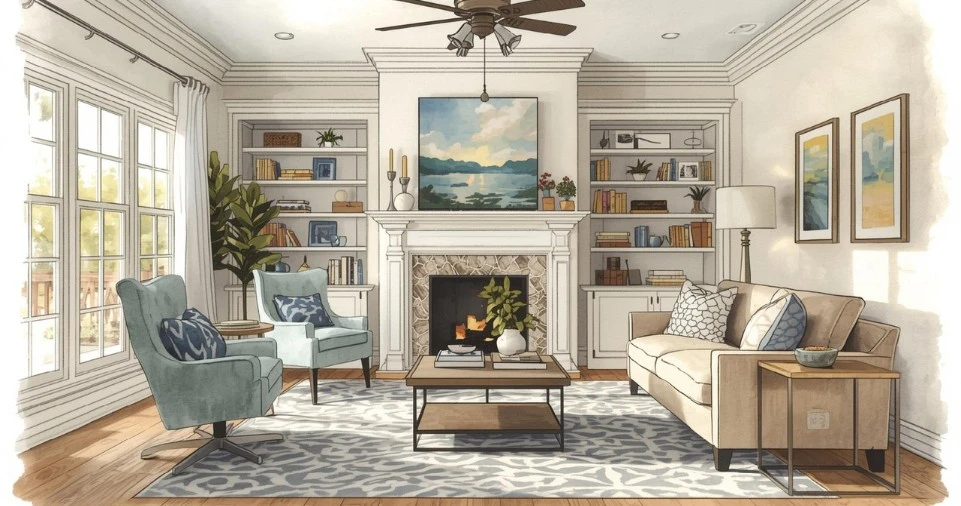
Maximize the value of each property tour by approaching viewings strategically and asking the right questions.
Before the Tour
- Research property history: Review tax records, previous sale prices, and time on market
- Check neighborhood data: Crime statistics, school ratings, and future development plans
- Prepare questions list: Based on disclosure documents and listing information
- Bring essential tools:
- Measuring tape for room dimensions and furniture fit
- Flashlight for inspecting dark areas (attics, basements, crawl spaces)
- Phone or camera for photos and notes
- Checklist for systematic evaluation
During the Tour
Visual Inspection Focus Areas:
- Ceilings and walls: Stains, cracks, or uneven surfaces indicating water damage or foundation issues
- Floors: Level surfaces, creaking, or unevenness
- Windows and doors: Smooth operation, proper sealing, condensation between panes
- Outlets and switches: Test functionality in each room
- Water pressure: Run faucets and flush toilets
- Storage: Open closets, cabinets, and built-ins to assess actual capacity
- Natural light: Visit at different times to understand sunlight patterns
- Noise levels: Listen for traffic, neighbors, or commercial activity
Questions to Ask:
- Why is the seller moving?
- What’s included in the sale (appliances, fixtures, window treatments)?
- When were major systems replaced or serviced?
- Are there any known issues or required repairs?
- What are average monthly utility costs?
- Any planned community or neighborhood developments?
- History of plumbing, electrical, or foundation problems?
- Details about HOA fees, restrictions, and services covered?
After the Tour
- Review photos and notes: Organize observations while memory is fresh
- Update evaluation scoring: Record ratings for each feature category
- Research comparable properties: Validate pricing against similar recently sold homes
- Schedule second viewing: If seriously interested, tour at different time of day
- Request professional inspection: Never waive inspection contingencies to save costs
Common Mistakes to Avoid When Evaluating Home Features
Even experienced buyers can fall into these common traps that lead to regret or financial loss.
Mistake #1: Falling in Love with Cosmetic Features
The Problem: Beautiful paint colors, trendy light fixtures, or staged furniture create emotional connections that overshadow structural issues or missing essential features.
The Solution: Focus on “bones” of the home first—layout, systems, and construction quality. Cosmetics can be changed easily and inexpensively; structural elements cannot.
Real-World Impact: Homeowners who prioritize aesthetics over functionality report 35% higher regret levels within five years, according to the National Association of Realtors.
Mistake #2: Underestimating Renovation Costs
The Problem: Buyers assume they can “easily fix” outdated kitchens, bathrooms, or systems without researching actual costs.
The Solution: Get contractor estimates BEFORE making offers. Kitchen renovations average $25,000-$50,000, bathrooms $10,000-$25,000, and roof replacements $8,000-$15,000. Factor these into total investment calculations.
Mistake #3: Ignoring Location Red Flags
The Problem: Loving the house itself while overlooking problematic location factors like busy roads, flood zones, airport flight paths, or declining neighborhoods.
The Solution: Research thoroughly: flood maps, crime statistics, zoning plans, and environmental hazards. Visit at different times and days to assess traffic, noise, and activity patterns.
Mistake #4: Overlooking Future Needs
The Problem: Purchasing based solely on current situation without considering life changes: growing families, aging parents, career shifts, or retirement plans.
The Solution: Think 5-10 years ahead. Will you need more bedrooms? Home office space? Single-story living? Proximity to specific amenities?
Mistake #5: Waiving Inspections
The Problem: In competitive markets, buyers waive inspection contingencies to make offers more attractive, discovering costly problems after closing.
The Solution: NEVER waive inspections. If you must compete, offer to pay for seller’s pre-inspection but include contingency for your own verification. A $400-$600 inspection can identify $50,000+ in hidden problems.
Conclusion: Making Confident, Informed Home Buying Decisions
Identifying the features that matter most in a new home requires balancing practical necessities with personal preferences, current needs with future flexibility, and emotional desires with financial realities. The most successful home buyers approach this monumental decision with systematic evaluation, thorough research, and clear priorities.
Remember these fundamental principles:
1. Start with Must-Haves: Define your non-negotiable features based on lifestyle requirements, not market trends or others’ opinions.
2. Prioritize Long-Term Value: Features like energy efficiency, quality systems, and functional layouts provide returns throughout your ownership.
3. Think Beyond Today: Choose homes that can adapt to life changes—growing families, career shifts, aging, or changing hobbies.
4. Balance Emotion with Analysis: While your home should feel right emotionally, validate feelings with objective data and professional inspections.
5. Location Trumps Everything: You can renovate, redecorate, and expand, but you cannot change your home’s location. Choose wisely.
6. Invest in Inspections: Professional evaluation of systems, structure, and potential issues is the best money you’ll spend in the home-buying process.
The perfect home isn’t about checking every box on every trend list—it’s about finding the property that serves your unique needs, supports your lifestyle, and maintains value for your future.
Take the Next Step: Your Home Buying Journey Starts Here
Ready to find a home with the features that matter most to you? Here’s your action plan:
Immediate Actions:
✅ Download our free Home Feature Evaluation Worksheet to create your personalized checklist ✅ Research neighborhoods using online resources like GreatSchools.org, Walk Score, and local crime statistics ✅ Get pre-approved for financing to understand your budget and strengthen your position ✅ Connect with experienced real estate professionals who understand your priorities and local market
Questions or Ready to Start Touring Homes?
Don’t navigate this important decision alone. Whether you’re a first-time buyer or experienced homeowner seeking your next perfect property, expert guidance makes all the difference.
Contact a trusted real estate professional today to:
- Discuss your specific feature priorities
- Tour homes that match your criteria
- Access exclusive listings before they hit the market
- Navigate offers, inspections, and closing with confidence
Your dream home with the features that matter most is waiting—let’s find it together!
Embarking on the journey to find a new home is both thrilling and challenging. Homebuyers often face an overwhelming number of choices, from neighborhood amenities to the smallest interior details. To ensure your search is successful, it’s essential to identify the home features that best suit your lifestyle and future plans. In this guide, you’ll find actionable steps to help prioritize what truly matters—whether you’re a first-time buyer or looking to move up in the market. For local insights and expert support, consulting Magnolia real estate experts The Greely Group can ensure you make an informed and personalized decision.
While personal tastes differ, focusing on fundamental aspects will help streamline the house-hunting process and avoid costly regrets down the road. The right features can enhance comfort and efficiency, boost long-term property value, and provide peace of mind for years to come. By recognizing your must-haves and nice-to-haves, you can focus your search and make a well-rounded investment in your future home.
Understanding the current real estate market can also reveal how trends and buyer preferences are shifting. Knowing which features are in high demand or which upgrades yield the best return will help you set realistic expectations and negotiate effectively. The path to your dream home begins with clarity on what matters most to you.
Prioritize Location and Neighborhood
One of the most crucial decisions in the home-buying process is selecting the ideal location. Location is about more than just convenience for work—consider schools, walkability, amenities, public safety, and long-term community growth. According to a survey by House Digest, nearly a third of respondents listed location as their most critical consideration when purchasing a new home. The best locations often see ongoing investment, strong resale value, and vibrant neighborhood culture, making it essential to weigh location just as heavily as the home itself.
Emphasize Energy Efficiency
Rising utility costs and environmental concerns have made energy efficiency a top priority for modern buyers. Features like Energy Star-rated appliances, upgraded insulation, and smart thermostats not only help manage monthly expenses but also reduce your carbon footprint. Energy-efficient homes are more comfortable and can provide a valuable selling point in the future, appealing to eco-minded buyers and savvy investors alike.
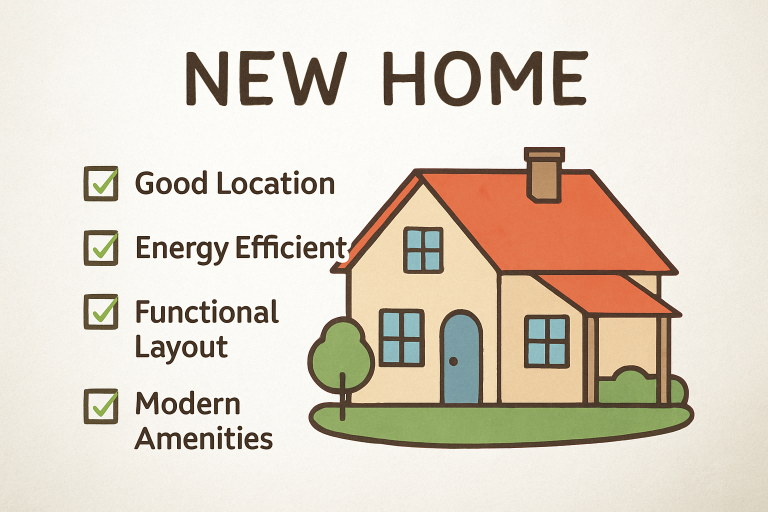
Seek Functional Layouts
Home design has evolved beyond formal, compartmentalized spaces—buyers now seek open floor plans that promote natural light and easy flow from room to room. Functional layouts enable flexible furniture arrangements, facilitate easier entertaining, and maximize the effective use of available square footage. Before visiting properties, determine if you prefer open-concept spaces, formal dining rooms, or separate home offices, as these preferences will significantly influence your comfort and use of the home.
Consider Essential Amenities
Some home features consistently top buyers’ wish lists for good reason. A recent survey by the National Association of Home Builders found that laundry rooms, patios, energy-efficient windows, and enhanced kitchen storage all rank highly among homeowners. Additional sought-after amenities include exterior lighting, ceiling fans, garage storage solutions, porches, and hardwood flooring. These features add convenience, aesthetic appeal, and lasting value, making day-to-day life easier while also setting your home apart in a competitive market.
Evaluate Home Condition
Move-in-ready homes are particularly appealing for buyers who want to avoid extensive renovations or immediate repairs. A 2024 Bright MLS survey revealed that a majority of buyers place a premium on condition, preferring properties that require minimal work and have been well-maintained. When touring homes, pay attention to signs of deferred maintenance, past upgrades, and the age of key systems, such as HVAC and roofing. A thorough home inspection is also crucial for uncovering hidden issues before making an offer.
Assess Storage Solutions
Adequate storage is frequently underestimated until buyers move in and discover a lack of space for clothing, supplies, or seasonal items. Ample storage, including walk-in closets, pantries, and built-in shelving, enhances organization and allows families to adapt as needs change over time. Prioritize homes that offer thoughtfully designed storage in both common and private areas to support everyday efficiency and tidiness.
Incorporate Smart Home Technology
As homes become more connected, smart technology is no longer a luxury—it’s an expected convenience for many buyers. Features such as smart security systems, programmable lighting, and energy-efficient thermostats are increasingly standard. Not only do these upgrades enhance the ease of living, but they also increase security and energy savings, adding another layer of appeal for tech-savvy owners and enhancing future resale value for all.
Plan for Future Needs
It’s easy to focus on immediate wants, but smart buyers also consider how their home will accommodate future milestones. Think about space for a growing family, aging-in-place features, remote work, or changing hobbies. Select homes with adaptable spaces, extra bedrooms, or proximity to quality schools to support evolving needs and maximize your investment over time.
Conclusion
Identifying your priorities and understanding which home features align with your lifestyle are key to making an informed purchase. By balancing your must-haves with practical considerations like location, condition, and future flexibility, you can find a home that’s truly right for you—and one that will serve you well into the future.