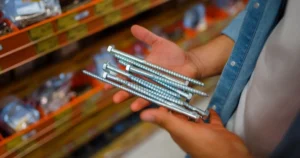
Starting with some projects, and finding midway that you’ve bought the wrong screws, is one thing that doesn’t only happen to you. From tradesmen putting screws on a large roofing project or a handyman doing DIY renovation inside one’s house, we know it is either the right screw for a long-lasting finish or the wrong one for a re-do.
The many variations in type, size, and coating available can very easily land you in an expensive mistake. Thus, collaborating with a screw supplier could ultimately save you tons of time, money, and headaches.
Let’s take a walk through some of the common bad practices that customers practice while buying screws, and let us tell you how you could overcome those things.
1. Choosing the Wrong Material
Different types of screws possess different qualities, and using the wrong types might lead to rusting, breakage, or coming apart. For example, common steel screws would rust altogether after some months if the roofing work was done in coastal Australia.
The same would differ considerably with stainless steel or galvanised screws, which would be found to be more suitable for waterproofing in slightly humid to salty air regions. A reliable bulk roofing screws supplier will help in determining the right material for a certain environment and project type.
2. Ignoring Screw Size and Thread Type
While it may be tempting to take the box of screws that one deems is “about right,” it is, in fact, a mismatched size that can create havoc in a project. If the screws are too short, they will not hold properly; if too long, they will severely damage the materials.
Thread sizing is important since coarse threads are for softer materials such as wood, while fine threads are used in applications that involve metal settings. Always check your requirements or ask your supplier of roofing screws so that you do not end up bulk buying on the wrong specifications.
3. Overlooking Coating and Finish
A screw’s coating is not just aesthetic, it offers protection to the screw. Most buyers neglect this and end up purchasing screws that corrode due to exposure to sunlight and rain in Australia. Zinc or ceramic coatings help against rust and offer long life in use. An inquiry at a large supplier of roofing screws regarding coatings for outdoor and roof applications will help you achieve maximum value from your purchase.
4. Forgetting About Quantity and Consistency
Running out of screws during the project can throw off the entire timetable. Whereas repeated small purchases can increase the cost. Buying from a bulk roofing screws supplier ensures you have enough screws, with a consistent quality for your project, while actually costing you less per unit. This also ensures uniformity, so every screw performs and appears the same way for a professional finish.
5. Not Checking Compatibility with Tools and Materials
Some errors may not apply to the screw, but rather to compatibility issues. If the screws are incompatible with the driver bits or the roofing material being used, one can expect stripped heads and marred surfaces. Always check compatibility between the type of screw and your tools. Lots of suppliers will assist you in choosing screws that work best with your material and equipment.
Conclusion
The purchase of screws looks really simple, but a few minor mistakes can cost a lot in effort and time. The foremost thing is to understand the requirements of your project and to deal with a specialised supplier who knows how the building environment in Australia works. The proper supplier does not just sell, but also advises you on the right screw for effective and long-lasting results. So, the next time you are preparing to undertake a roof project, make sure you screw it right – from the beginning!