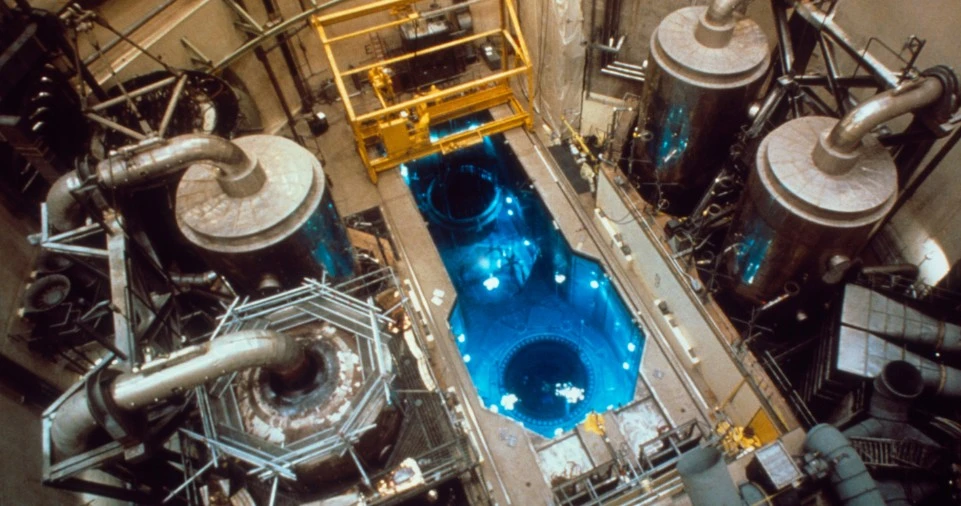
In industrial settings such as factories and warehouses, the presence of hazardous materials, chemicals, and oils is commonplace. Due to the sheer volume of substances handled and stored, the risk of spills and leaks is a constant concern. A timely and effective response to these accidents is critical in preventing workplace hazards, protecting the environment, and ensuring regulatory compliance. In this context, industrial absorbents and spill containment solutions play a vital role in managing and mitigating the effects of spills.
The Importance of Spill Containment in Industrial Environments
Spill containment is a critical aspect of industrial safety protocols. Spills, whether from chemical leaks, fuel overflows, or lubricant drips, can pose significant risks to both human health and the surrounding environment. The Occupational Safety and Health Administration (OSHA) and Environmental Protection Agency (EPA) have stringent guidelines in place to ensure that industries are prepared to manage spills efficiently. Failure to comply with these regulations can result in severe penalties and operational disruptions.
A key factor in the effectiveness of spill response lies in the materials used to contain and absorb the spilled substances. Industrial absorbents, such as mats, pads, socks, and granular absorbents, are crucial tools in swiftly managing spills before they escalate into hazardous situations. These materials are designed to quickly absorb and isolate the spilled substances, preventing them from spreading or contaminating surrounding areas.
Industrial Absorbents: A Crucial Component of Spill Response
Industrial absorbents are specially designed to absorb various types of fluids, including oils, chemicals, water, and other hazardous liquids. They are available in a wide range of materials, such as synthetic fibers, cellulose, clay, and even biodegradable options, depending on the nature of the spill and the environment in which they are used.
The main function of industrial absorbents is to absorb liquids efficiently without compromising the quality of the surrounding area. They work by attracting and soaking up the spilled material, transforming it into a gel-like substance for easy disposal or containment. This makes them an essential component of any spill containment strategy in factories and warehouses, where large quantities of potentially hazardous materials are routinely handled.
A critical factor in selecting the right industrial absorbents for specific applications is the type of liquid being managed. For example, oils and fuels require absorbents that can repel water while still absorbing the liquid, whereas chemicals may require materials that are resistant to harsh chemical reactions. Furthermore, certain absorbents are specifically designed for highly corrosive or flammable liquids, ensuring safety during the cleanup process.
Types of Industrial Absorbents
Industrial absorbents come in a variety of forms, each with its specific use case. The most commonly used types of absorbents are mats, pads, socks, and pillows, but granular absorbents and spill kits also play a significant role. Understanding the different types of absorbents and their applications is crucial for selecting the most appropriate solution for your industrial needs.
- Absorbent Mats and Pads:
These are ideal for cleaning up spills and leaks on floors and work surfaces. They are typically used in areas where spills are frequent and may cover larger surface areas. Available in both general-purpose and specialty types (e.g., oil-only or chemical-specific), absorbent mats and pads are highly versatile. They are perfect for factories where spills are continuous, offering both high absorption capacity and easy cleanup. - Absorbent Socks and Booms:
These products are designed for containing and diverting liquids from spreading across the floor. Absorbent socks and booms are commonly used in areas with potential leaks along pipelines, machinery, or tanks. They are placed around the source of the spill to absorb and prevent further leakage, particularly in confined spaces where quick action is needed to contain hazardous liquids before they spread. - Granular Absorbents:
Granular absorbents consist of particles, such as clay, that can absorb a wide variety of liquids. They are often used in outdoor environments or large industrial areas where the volume of the spill is significant. Granular absorbents are typically spread over the affected area, and the absorbent particles soak up the liquid, making it easier to collect and dispose of. - Spill Kits:
A well-equipped spill kit is an essential part of an emergency response plan. Spill kits are typically a combination of absorbent materials, personal protective equipment (PPE), disposal bags, and instructions. These kits are crucial for addressing small to medium-sized spills promptly and efficiently, preventing further damage or contamination.
Spill Containment Barriers and Berms
In addition to industrial absorbents, spill containment barriers and berms play an important role in managing large-scale spills or leaks. Spill containment berms are designed to provide a physical barrier around tanks, machinery, or other high-risk areas to prevent the spread of spilled liquids. They are typically made from durable materials such as PVC, which offer chemical resistance and are easy to deploy in the event of a spill.
Containment berms come in various sizes and shapes, ranging from small, portable models for individual machines to large, permanent installations around entire storage areas. These barriers are particularly useful in factories or warehouses that handle bulk chemicals, oils, or hazardous substances, as they help contain large spills and reduce the likelihood of liquid escaping into the environment.
Effective Spill Response Procedures
Having the right absorbents and containment solutions is only part of an effective spill management strategy. Equally important is a well-defined spill response procedure. Training employees on how to respond quickly and safely to a spill is essential for minimizing damage and ensuring compliance with environmental and safety regulations.
Key components of an effective spill response plan include:
- Identification of Spill Risks:
Assess the potential risks within your facility and determine where spills are most likely to occur. This could involve evaluating areas where chemicals, oils, and other hazardous materials are handled or stored. - Clear Response Protocols:
Ensure that all employees are familiar with the emergency response protocols in case of a spill. This includes knowing how to quickly deploy absorbents, activate containment systems, and use spill kits. - Regular Drills and Training:
Conducting regular spill response drills helps employees familiarize themselves with the equipment and procedures, ensuring a swift and coordinated response in the event of a real emergency. - Proper Disposal of Spilled Materials:
After the spill has been contained and absorbed, the next step is proper disposal. Depending on the type of material, disposal may require specialized handling to ensure compliance with environmental regulations.
Regulatory Considerations and Compliance
Spill response and containment solutions are not just a matter of safety; they are also a legal requirement. Industrial facilities are required to adhere to regulations set forth by agencies like OSHA and the EPA. These regulations often mandate that businesses maintain an adequate supply of absorbent materials and have a spill contingency plan in place.
For example, the EPA’s Spill Prevention, Control, and Countermeasure (SPCC) regulations require facilities that handle large quantities of oil to develop and implement spill prevention plans, which must include adequate spill response materials and procedures. Failure to comply with these regulations can result in hefty fines and, more importantly, can lead to serious environmental damage.
Conclusion
Industrial absorbents and spill containment solutions are essential components of workplace safety in factories and warehouses. By selecting the appropriate absorbents and barriers, and combining them with effective spill response plans and training, businesses can mitigate the risks associated with hazardous material spills. These solutions not only help prevent harm to employees and the environment but also ensure compliance with critical regulations, safeguarding the long-term operational health of the facility. By incorporating these spill management strategies into day-to-day operations, industries can maintain a safer and more efficient work environment.