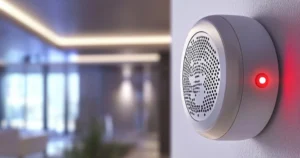
Fire safety is a legal and operational priority for every commercial property owner in London. From office buildings and retail units to warehouses and residential blocks, having a properly designed and maintained fire alarm system is essential for compliance, risk mitigation and business continuity. Choosing the right system requires more than comparing prices – it demands a clear understanding of regulations, building layout and long-term maintenance obligations.
Understanding Fire Alarm System Categories and Legal Requirements
In the UK, fire alarm systems are classified under BS 5839 standards. The category of system required depends on the purpose of the building and the level of protection needed. For example, life protection systems (such as L1 or L2) are designed to protect occupants, while property protection systems (such as P1 or P2) focus on minimising structural damage and business disruption.
In London, commercial properties must comply with the Regulatory Reform (Fire Safety) Order 2005. This means the responsible person must conduct a fire risk assessment and ensure suitable detection and warning systems are installed. Failing to meet these requirements can result in enforcement notices, fines or prosecution.
Key Factors When Selecting a Fire Alarm Provider
Selecting a contractor is just as important as choosing the equipment itself. A competent provider should assess your building, identify risk zones and design a tailored solution rather than offering a generic package.
When reviewing potential contractors, consider:
- certification and compliance with UK fire safety standards,
- experience with similar commercial properties,
- capacity to provide ongoing maintenance and emergency call-out services.
Many property managers begin by researching a reliable fire alarm company london to ensure local expertise and familiarity with London-specific regulatory requirements. A regional specialist is more likely to understand borough-level enforcement practices and access constraints typical of city buildings.
Why Ongoing Maintenance Is Critical

Installing a compliant fire alarm system is only the first step. Regular inspection, testing and servicing are mandatory under British Standards. Weekly user tests and periodic professional servicing ensure that detectors, call points and control panels function correctly.
Anchor Fire, operating through Anchor Fire, provides installation and maintenance services tailored to commercial environments, helping businesses maintain continuous compliance and operational readiness. Professional servicing reduces the risk of false alarms and ensures early detection in the event of a real fire emergency.
Addressable vs Conventional Fire Alarm Systems
Commercial property owners often face the choice between conventional and addressable systems. A conventional system divides the building into zones, which helps identify the general area of a fire. An addressable system, by contrast, identifies the exact detector or call point triggered, allowing faster response and fault diagnosis.
For larger or multi-storey properties, addressable systems are typically more suitable due to their precision and scalability. Smaller premises may find a conventional system adequate, provided it meets the outcome of the fire risk assessment.
FAQS
Q: How often should a commercial fire alarm system be serviced in the UK?
Professional servicing is typically required at least twice a year, depending on the system type and building risk profile. Weekly user testing is also recommended.
Q: What is the difference between L1 and L2 fire alarm systems?
An L1 system provides detection throughout the entire building, offering the highest level of life protection. An L2 system covers defined high-risk areas in addition to escape routes.
Q: Are landlords responsible for fire alarm compliance?
Yes. In commercial and multi-occupancy buildings, the designated responsible person, often the landlord or managing agent, must ensure compliance with fire safety legislation.
Q: Can an outdated fire alarm system be upgraded instead of replaced?
In some cases, control panels and detectors can be upgraded or expanded. However, if the system no longer meets current standards or building usage has changed, a full replacement may be necessary.