The plumbing industry has undergone a remarkable transformation in 2026, moving far beyond basic pipe wrenches and manual snakes. Today’s plumbing technology combines artificial intelligence, IoT connectivity, and advanced materials to address persistent household challenges that have plagued homeowners for decades.
With water scarcity becoming increasingly critical and utility costs rising, the average household uses approximately 75 gallons of water per person daily. Modern plumbing innovations aim to reduce this consumption by 30-40% while improving system reliability and longevity.
This comprehensive guide explores cutting-edge plumbing technologies available in 2026, their practical applications, and how they solve everyday plumbing challenges that affect millions of homes worldwide.
Understanding Modern Plumbing Challenges in 2026
Before diving into solutions, let’s examine the persistent problems that continue to frustrate homeowners:
Top 10 Plumbing Problems Facing Households:
- Frequent pipe leaks caused by corroded pipes, damaged rubber seals, and worn pipe joints
- Persistent drain clogs from hair, grease, soap suds, and food particles
- Low water pressure affecting daily tasks throughout the home
- Faulty water heaters with sediment buildup and malfunctioning heating elements
- Worn-out fixtures including faucets and showerheads showing signs of mineral deposits
- Frozen and burst pipes during cold weather conditions
- Backflow contamination from clogged septic systems
- Running toilets wasting over 200 gallons daily
- Inconsistent shower pressure disrupting morning routines
- Hidden leaks causing structural damage and mold growth
According to recent studies, over 70% of water heaters fail before reaching 12 years of age, while a single dripping faucet can waste hundreds of gallons annually.
Revolutionary Plumbing Technologies in 2026
AI-Powered Pipe Inspection Systems
Gone are the days of guesswork and invasive exploratory work. Modern pipe inspection cameras have evolved dramatically in 2026.
Key Features:
- 4K Ultra HD imaging with self-leveling technology
- AI-powered leak detection identifying problems before they escalate
- Pan-and-tilt capabilities providing 360-degree views inside pipes
- Thermal imaging integration detecting temperature variations indicating leaks
- Real-time data analysis predicting potential failure points
Practical Application: A homeowner in suburban Washington recently avoided a $15,000 foundation repair by detecting a hidden leak early using an AI inspection camera during routine maintenance. The technology identified a microscopic crack that traditional methods would have missed until catastrophic failure occurred.
Smart Leak Detection and Water Monitoring Systems
The most significant advancement in residential plumbing involves intelligent monitoring systems that provide 24/7 surveillance.
Technology Highlights:
- Smartphone connectivity sending instant alerts when anomalies are detected
- Machine learning algorithms distinguishing normal usage patterns from potential leaks
- Automatic water shutoff valves stopping flow immediately when major leaks occur
- Flow rate monitoring tracking consumption in real-time
- Integration with home automation systems for seamless control
These systems can detect leaks as small as one drop per minute, potentially saving homeowners thousands in water damage repairs.
Advanced Diagnostic Tools Replacing Trial and Error
Modern plumbers utilize sophisticated diagnostic equipment that eliminates guesswork:
Wall Scanners and Acoustic Detectors:
- Identify pipe locations behind walls without invasive procedures
- Detect the exact source of leaks through acoustic signature analysis
- Map entire plumbing layouts in unfamiliar properties within minutes
- Distinguish between different pipe materials (copper, PEX, PVC)
Thermal Imaging Cameras:
- Display temperature variations indicating hot and cold water lines
- Identify areas of heat loss in water heater systems
- Detect moisture accumulation behind walls before visible damage appears
- Show reddish-orange for hot water pipes and bluish-purple for cold lines
Hydro Jetting Technology for Stubborn Blockages
Traditional drain snakes have been complemented by powerful hydro jetting systems in 2026.
How It Works: Hydro jetters use high-pressure water streams (ranging from 3,000 to 8,000 PSI) to forcefully remove stubborn blockages including:
- Grease buildup in kitchen drains
- Tree root infiltration in sewer lines
- Mineral deposits restricting water flow
- Years of accumulated debris
Advantages Over Traditional Methods:
- Completely clears pipe interiors rather than just creating a hole through blockages
- Environmentally friendly with no harsh chemicals
- Prevents recurring clogs by thoroughly cleaning pipe walls
- Safe for modern pipe materials when operated by trained professionals
Energy-Efficient Water Heating Solutions
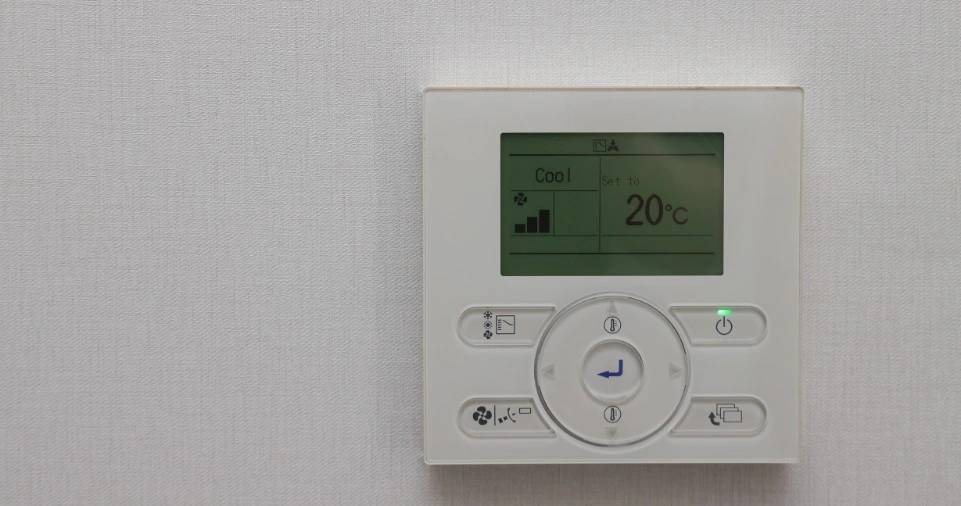
Tankless Water Heater Innovations
The 2026 generation of tankless water heaters represents a quantum leap in efficiency and convenience.
Key Improvements:
- Smart temperature control adjusting output based on actual demand
- Rapid heating elements providing instant hot water without waste
- Extended lifespan of 20+ years compared to traditional 10-12 year tank systems
- Energy savings of 30-40% on heating costs
- Compact footprint freeing up valuable storage space
Real-World Example: A family of four in Denver replaced their traditional water heater with a smart tankless system and reduced their annual energy bills by $480 while gaining 12 square feet of utility room space.
Smart Water Heater Maintenance Technology
Modern water heaters incorporate self-diagnostic features:
- Automatic sediment flushing schedules
- Internal corrosion monitoring
- Predictive maintenance alerts before component failure
- Remote temperature adjustment via smartphone apps
Water Conservation Technologies

Greywater Recycling Systems
One of the most impactful innovations addresses water scarcity directly.
System Components: Greywater systems collect wastewater from:
- Bathroom sinks and showers
- Washing machines
- Dishwashers (when properly filtered)
This treated water is then reused for:
- Toilet flushing (reducing fresh water use by 30%)
- Landscape irrigation
- Garden watering
Installation Considerations: Professional plumbers can integrate greywater systems into existing homes with minimal disruption. The systems pay for themselves within 3-5 years through water bill savings.
Rainwater Harvesting Integration
Complementing greywater systems, modern rainwater collection utilizes:
- Automated filtration removing debris and contaminants
- Storage tanks sized to household needs (typically 500-2,000 gallons)
- Smart pump systems distributing water as needed
- Water quality monitoring ensuring safety standards
Combined with greywater recycling, these systems can reduce municipal water dependency by up to 60%.
Low-Flow Fixture Technology
The 2026 generation of low-flow fixtures achieves remarkable water savings without sacrificing performance.
Performance Metrics:
| Fixture Type | Traditional Flow Rate | 2026 Low-Flow Rate | Annual Water Savings |
|---|---|---|---|
| Kitchen Faucet | 2.5 GPM | 1.5 GPM | 6,570 gallons |
| Bathroom Faucet | 2.2 GPM | 0.5 GPM | 5,110 gallons |
| Showerhead | 2.5 GPM | 1.8 GPM | 2,555 gallons |
| Toilet (per flush) | 3.5 gallons | 1.28 gallons | 8,395 gallons |
| Total Household | – | – | 22,630 gallons |
According to the Environmental Protection Agency, these upgrades can reduce household water consumption by up to 30% while maintaining optimal pressure and performance.
Advanced Pipe Materials and Installation Methods
Corrosion-Resistant Piping Systems
Traditional copper and galvanized steel pipes face serious longevity challenges. New materials offer superior performance:
PEX (Cross-Linked Polyethylene) Advantages:
- Resistant to scale and chlorine corrosion
- Flexible installation reducing joint requirements by 60%
- Freeze-resistant properties preventing burst pipes
- Color-coded systems (red for hot, blue for cold) simplifying repairs
- 50+ year lifespan with proper installation
Modern PEX Crimper Technology: Professional plumbers use electric PEX crimpers that:
- Create leak-proof connections in seconds
- Eliminate the need for soldering and toxic fumes
- Provide consistent, reliable crimps every time
- Reduce installation time by 40% compared to traditional methods
Pipe Insulation Innovations
Proper pipe insulation delivers multiple benefits in 2026 homes:
Performance Benefits:
- Reduces heat loss by 80-95% in hot water lines
- Prevents freezing in temperatures down to -40°F
- Cuts water heating costs by 3-4% annually
- Reduces condensation preventing mold growth
- Protects against pipe sweating in humid climates
Advanced Insulation Materials:
- Aerogel-enhanced foam providing maximum R-value in minimal thickness
- Self-sealing insulation preventing air gap formation
- Antimicrobial coatings preventing bacterial growth
Smart Plumbing Fixtures and Appliances
Intelligent Toilet Technology
The humble toilet has received a technological makeover in 2026:
Advanced Features:
- Dual-flush systems offering 0.8-gallon and 1.28-gallon options
- Automatic leak detection alerting homeowners to flapper valve failures
- Self-cleaning capabilities using UV light sanitation
- Water usage tracking integrated with home monitoring systems
- Touchless operation improving hygiene
Cost-Benefit Analysis: A family replacing three standard toilets with smart dual-flush models saves approximately 16,000 gallons annually, translating to $175-250 in water and sewer costs depending on local rates.
Smart Faucet Innovations
Beyond simple motion sensors, 2026 faucets incorporate:
- Voice activation through home assistant integration
- Preset temperature memory for different users
- Precise flow control dispensing exact quantities
- Built-in filtration removing contaminants at the point of use
- Usage reporting highlighting water consumption patterns
Professional-Grade Tools Now Accessible to Homeowners
While professional expertise remains invaluable for complex repairs like trenchless technology installations, certain modern diagnostic and maintenance tools have become user-friendly enough for homeowners to handle basic DIY plumbing maintenance tasks safely.
Essential Modern Tools:
| Tool Category | Technology | Primary Use | Typical Cost |
|---|---|---|---|
| Powered Drain Augers | Variable speed electric motor | Clearing kitchen/bathroom clogs | $150-400 |
| Basin Wrenches | Extended reach design | Removing inaccessible faucet nuts | $25-60 |
| Pressure Test Kits | Digital gauge display | Monitoring system pressure | $30-80 |
| Pipe Cutters | Ratcheting mechanism | Clean cuts in PEX/copper | $40-120 |
| Teflon Tape & Sealants | Modern compounds | Leak-proof thread sealing | $5-15 |
| Inspection Cameras | Basic WiFi models | Visual pipe inspection | $100-300 |
Safety Note: While these tools enable basic maintenance, complex repairs involving main lines, gas systems, or structural plumbing should always involve licensed professionals.
Comprehensive Plumbing Problem Solutions Chart
| Plumbing Challenge | Traditional Approach | 2026 Technology Solution | Efficiency Improvement |
|---|---|---|---|
| Pipe Leaks | Visual inspection + guess work | AI thermal cameras + acoustic sensors | 95% faster detection |
| Drain Clogs | Manual snakes | Hydro jetting + enzymatic cleaners | 3x more effective |
| Low Pressure | Trial and error | Digital pressure testing + flow analysis | Immediate diagnosis |
| Water Heater Failure | Wait for breakdown | Predictive maintenance alerts | 80% fewer emergency calls |
| Frozen Pipes | Reactive repairs | Heat cables + smart monitoring | 90% prevention rate |
| Hidden Leaks | Invasive exploration | Smart leak detectors + moisture sensors | Save $10,000+ in damage |
| Backflow Issues | Check valves only | Smart backflow preventers with alerts | 100% contamination prevention |
| High Water Bills | Manual monitoring | Real-time consumption tracking | 30-40% usage reduction |
| Fixture Wear | Replace when broken | Preventive maintenance schedules | 2x longer lifespan |
| Sewer Backups | Emergency only | Video inspection + preventive cleaning | 85% fewer emergencies |
When to DIY vs. Call a Professional
Safe DIY Plumbing Tasks in 2026
With modern tools and online resources, homeowners can safely handle:
Green Light for DIY:
- Replacing faucet washers, O-rings, and aerators
- Installing low-flow showerheads and faucet fixtures
- Using powered drain augers on sink/tub clogs
- Replacing toilet flappers and fill valves
- Installing smart leak detectors
- Applying Teflon tape to threaded connections
- Cleaning faucet aerators to restore pressure
- Insulating exposed pipes with modern materials
Safety Guidelines: Always shut off the main water supply before beginning repairs. Keep a bucket handy for residual water. Take photos before disassembly for reference during reassembly.
Critical Situations Requiring Professional Expertise
Red Light – Call a Licensed Plumber:
- Main sewer line clogs affecting multiple drains
- Water heater installation or major repairs
- Gas line work of any kind
- Pipe replacements involving walls or foundations
- Persistent low pressure throughout entire home
- Sewer system backups with contamination risks
- Permits and inspections for major renovations
- Complex installations like greywater or rainwater systems
- Burst pipes requiring immediate shutoff
- Any situation involving building code compliance
Why Professional Expertise Matters: Licensed plumbers carry liability insurance, understand local codes, provide warranties on work, and possess specialized equipment worth thousands of dollars. A $200 service call can prevent a $10,000 water damage claim.
Preventive Maintenance in the Digital Age: Smart Maintenance Scheduling
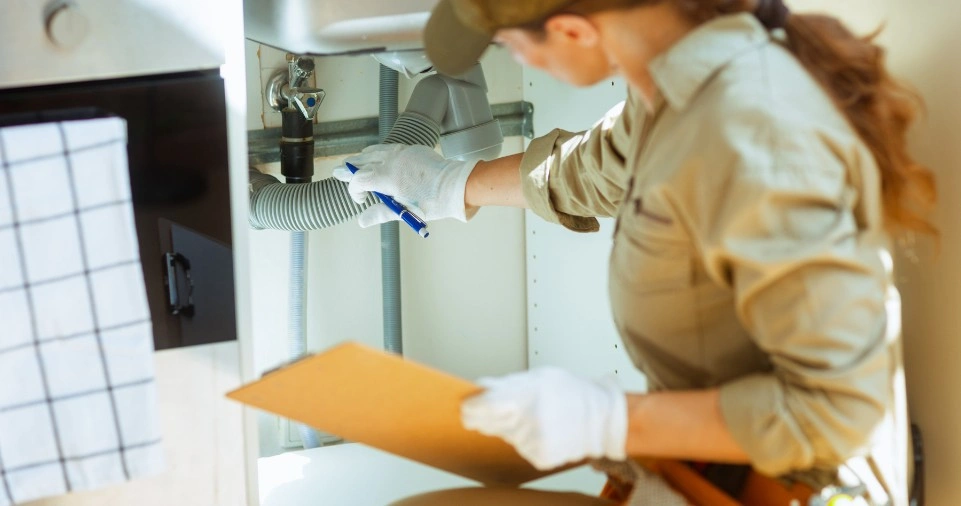
Modern plumbing systems benefit from proactive care rather than reactive repairs. Here is annual maintenance checklist:
Every 3 Months:
- Test smart leak detector batteries and connectivity
- Inspect visible pipes for corrosion or mineral buildup
- Clean faucet aerators and showerheads
- Check toilet flappers and fill valves
- Review water usage reports for anomalies
Every 6 Months:
- Flush water heater to remove sediment
- Test main water shutoff valve operation
- Inspect outdoor hose bibbs for leaks
- Clean garbage disposal with natural methods
- Check sump pump operation (if applicable)
Annually:
- Professional video inspection of main sewer line
- Pressure test entire plumbing system
- Service water softener (if installed)
- Inspect and service well pump (if applicable)
- Update smart system firmware and software
Cost Comparison:
| Maintenance Approach | Annual Cost | Emergency Repair Costs | 10-Year Total |
|---|---|---|---|
| Reactive (no maintenance) | $0 | $8,000-15,000 | $80,000-150,000 |
| Basic maintenance | $300-500 | $2,000-4,000 | $23,000-45,000 |
| Smart preventive program | $600-800 | $500-1,000 | $11,000-18,000 |
The data clearly demonstrates that investing in preventive maintenance with modern monitoring technology saves substantial money over time.
Environmental Impact and Sustainability
Water Conservation Statistics
Modern plumbing technology addresses critical environmental concerns:
Global Water Crisis Context:
- Only 2.5% of Earth’s water is freshwater
- Less than 1% is accessible for human use
- Average household wastes 10,000 gallons annually through leaks
- Traditional toilets use 35% of total indoor water consumption
2026 Technology Impact: Households implementing comprehensive modern plumbing systems report:
- 30-45% reduction in water consumption
- 25-35% decrease in energy costs for water heating
- 60% fewer plumbing emergencies and repairs
- 80% reduction in water damage insurance claims
Carbon Footprint Reduction
Efficient plumbing directly impacts environmental sustainability:
Energy Savings Translate to Emissions:
- Tankless water heaters reduce CO₂ emissions by 1,200 pounds annually
- Low-flow fixtures save energy equivalent to 50 gallons of gasoline yearly
- Greywater systems reduce municipal water treatment energy needs
- Smart leak detection prevents waste requiring energy-intensive purification
Real-World Success Stories
Case Study 1: Suburban Home Transformation
Background: A 2,400 square-foot home in Phoenix built in 1995 with original plumbing systems.
Problems Faced:
- Monthly water bills averaging $185
- Frequent hot water shortages
- Two major leak incidents causing $12,000 in damage
- Inconsistent water pressure throughout home
2026 Technology Solutions Implemented:
- Smart leak detection system with automatic shutoff valves
- Tankless water heater replacement
- Low-flow fixture upgrades throughout
- Hydro jetting of main sewer line
- Pipe insulation with modern aerogel materials
Results After 12 Months:
- Water bills reduced to $95 monthly (49% savings)
- Zero leak incidents
- Continuous hot water availability
- Energy costs down 32%
- Home value increased by $15,000 per appraisal
- Total investment: $8,500
- Payback period: 3.2 years
Case Study 2: Multi-Family Property Upgrade
Property Details: 24-unit apartment building in Denver, Colorado.
Initial Challenges:
- Frequent tenant complaints about water issues
- High maintenance costs ($45,000 annually)
- 15-20 emergency calls per month
- Aging pipes causing recurring problems
Technology Integration:
- Building-wide smart water monitoring system
- Predictive maintenance program using AI diagnostics
- PEX re-piping of 40% of units
- Smart water heaters in all units
- Centralized leak detection dashboard
18-Month Outcomes:
- Maintenance costs reduced to $18,000 annually
- Emergency calls down to 2-3 monthly
- Tenant satisfaction scores up 67%
- Water consumption reduced 38% building-wide
- Property insurance premiums decreased 15%
- ROI: 2.8 years with continued savings
Cost-Benefit Analysis of Modern Plumbing Technology: Investment vs. Return Breakdown
Understanding the financial implications helps homeowners make informed decisions:
Smart Home Plumbing Package
| Technology Component | Installation Cost | Annual Savings | Payback Period | 10-Year Value |
|---|---|---|---|---|
| Smart Leak Detection System | $400-800 | $200 + avoid damage | 2-4 years | $10,000+ |
| Tankless Water Heater | $2,500-4,500 | $400-600 | 4-8 years | $8,000 |
| Low-Flow Fixtures (complete) | $800-1,500 | $250-350 | 3-4 years | $3,500 |
| Greywater System | $3,000-6,000 | $500-800 | 4-8 years | $7,000 |
| Pipe Insulation | $500-1,200 | $150-200 | 3-6 years | $2,000 |
| Smart Monitoring Dashboard | $200-400 | $100 + peace of mind | 2-4 years | $2,000 |
| Annual Professional Maintenance | $300-600 | $2,000+ avoided repairs | Immediate | $20,000+ |
| TOTAL PACKAGE | $7,700-14,600 | $3,600-4,650 | 2-4 years | $52,500+ |
Hidden Value Considerations
- Increased home resale value (3-5% premium)
- Lower insurance premiums (10-20% reduction)
- Peace of mind and reduced stress
- Environmental stewardship satisfaction
- Future-proofing against water scarcity
Choosing the Right Technology for Your Home
Not every home needs every technology. Use this framework to prioritize:
Immediate Priority (High Impact, Urgent):
- Smart leak detectors if home has history of leaks
- Pipe insulation in cold climate regions
- Professional inspection if plumbing is 20+ years old
- Pressure testing if experiencing low water pressure
Medium-Term Planning (6-18 months):
- Water heater upgrade if unit is 8+ years old
- Low-flow fixture replacement during renovations
- Main sewer line inspection if never performed
- Smart monitoring system for comprehensive protection
Long-Term Investment (2-5 years):
- Greywater or rainwater harvesting systems
- Complete PEX re-piping if home has galvanized steel
- Whole-house water treatment systems
- Advanced smart home integration
Budget-Friendly Starting Point: Begin with these high-impact, low-cost improvements:
- Install smart leak detectors ($100-300)
- Replace faucet aerators with low-flow models ($15-40)
- Insulate accessible hot water pipes ($50-150)
- Install a smart shower timer ($30-60)
- Schedule professional video inspection ($200-400)
Total investment: Under $1,000 with immediate returns
Future Trends: What’s Next After 2026?
The plumbing industry continues rapid innovation:
Predictive AI Plumbing Systems: Next-generation systems will predict failures 6-12 months in advance using:
- Machine learning analysis of millions of data points
- Vibration sensors detecting pipe stress
- Chemical sensors monitoring water quality changes
- Pressure variation pattern recognition
Nanotechnology Pipe Coatings: Self-healing pipe interiors that:
- Automatically seal micro-cracks before they expand
- Prevent scale and mineral buildup at molecular level
- Extend pipe lifespan to 100+ years
- Reduce friction for improved flow efficiency
Blockchain Water Usage Tracking: Transparent water consumption verification for:
- Accurate utility billing
- Water conservation incentive programs
- Carbon credit calculation
- Drought response systems
3D-Printed Custom Fixtures: On-demand manufacturing enabling:
- Perfect-fit replacement parts for discontinued fixtures
- Custom solutions for unique installation challenges
- Reduced inventory needs and waste
- Affordable bespoke design options
30-Day Actionable Implementation Guide
Week 1: Assessment Phase
- Day 1-2: Review utility bills for past 12 months to establish baseline
- Day 3-4: Conduct home plumbing audit using checklist provided earlier
- Day 5-7: Research and price technologies relevant to your priorities
Week 2: Quick Wins
- Day 8: Install smart leak detectors on main water line and problem areas
- Day 9: Replace all faucet aerators with WaterSense certified models
- Day 10-11: Insulate accessible hot water pipes
- Day 12-14: Schedule professional video inspection and consultation
Week 3: Major Upgrades
- Day 15-17: Professional installation of priority systems (water heater, etc.)
- Day 18-20: Install smart monitoring dashboard and configure alerts
- Day 21: Conduct pressure testing and leak verification
Week 4: Optimization
- Day 22-24: Fine-tune smart system settings based on usage patterns
- Day 25-27: Establish maintenance schedule with reminder system
- Day 28-30: Document baseline metrics for tracking savings
Expected Outcomes: After 30 days, you should observe:
- 15-20% reduction in water usage
- Complete visibility into your plumbing system health
- Peace of mind from proactive monitoring
- Foundation for long-term efficiency gains
Connecting With Professional Resources
When severe plumbing issues occur, like persistent leaks or pipe bursts, professional services like Denver Sewer repair provide the expertise needed to handle emergencies efficiently, ensuring minimal damage and disruption.
Finding Qualified Plumbing Professionals
The technology is only as good as its installation and maintenance:
Certification to Look For:
- State-licensed master plumber credentials
- Manufacturer certifications for specific technologies
- Smart home integration specialists
- Water efficiency specialist designations
- Continuing education in modern systems
Questions to Ask Prospective Plumbers:
- What experience do you have with smart plumbing systems?
- Are you certified to install [specific technology]?
- Do you provide warranties on labor and equipment?
- Can you provide references from similar installations?
- Do you offer maintenance packages?
- Are you insured and bonded?
- Do you pull necessary permits?
Red Flags to Avoid:
- Reluctance to explain technology or process
- Significant price undercutting competitors (20%+ lower)
- Pressure tactics or “today only” pricing
- Unwillingness to provide written estimates
- No physical business address or credentials
- Negative reviews mentioning incomplete work
Authoritative Resources: For additional information, consult these trusted sources:
- U.S. Environmental Protection Agency WaterSense Program for certified fixtures and water efficiency data
- International Association of Plumbing and Mechanical Officials for code compliance
- American Water Works Association for water quality and conservation
Frequently Asked Questions
Q: Are smart plumbing systems compatible with older homes?
A: Yes, most 2026 technologies retrofit easily into existing plumbing. Smart leak detectors attach to existing pipes, and fixtures replace old ones using standard connections. Complete re-piping is rarely necessary.
Q: How difficult is it to install smart plumbing technology?
A: Basic smart devices like leak detectors and flow monitors are DIY-friendly, typically installing in 15-30 minutes. Complex systems like tankless water heaters or greywater recycling require professional installation.
Q: Do smart plumbing systems require internet connectivity?
A: Most function independently but offer enhanced features with internet access. Local alerts work without connectivity, while remote monitoring and smartphone notifications require internet.
Q: What happens if the power goes out?
A: Critical systems include battery backup for 24-48 hours. Mechanical components like check valves and traditional fixtures continue working without power.
Q: Will modern plumbing technology increase my home’s value?
A: Absolutely. Real estate data shows homes with smart plumbing systems sell 3-5% higher than comparable properties and spend 20% less time on market.
Q: Are there tax incentives for water-efficient plumbing?
A: Many jurisdictions offer rebates for low-flow fixtures, tankless water heaters, and greywater systems. Check with your local water utility and state energy office for current programs.
Q: How much can I actually save on water bills?
A: Typical households implementing comprehensive efficiency measures save 30-40% on water bills and 25-35% on water heating energy costs. A family of four averages $600-900 annual savings.
Q: How often do smart plumbing systems need maintenance?
A: Digital components require minimal maintenance—mostly software updates. Physical plumbing components follow standard schedules: annual professional inspection recommended.
Q: What’s the lifespan of modern plumbing technology?
A: Smart sensors and monitors typically last 5-10 years. Physical fixtures like tankless heaters last 20+ years. PEX piping has a 50+ year lifespan.
Q: Can I install these systems myself or do I need a plumber?
A: Simple monitoring devices and fixture replacements are DIY-friendly. Systems involving pipe modifications, water heaters, or building code compliance require licensed professionals.
Conclusion: Embracing the Future of Plumbing
The plumbing technology available in 2026 represents a paradigm shift from reactive repairs to proactive management. Smart systems, AI-powered diagnostics, and water-efficient fixtures transform how we interact with one of our most critical home systems.
Key Takeaways:
- Modern technology solves age-old problems more efficiently than ever before
- Prevention costs less than emergency repairs by orders of magnitude
- Water conservation directly impacts both your budget and the environment
- Smart monitoring provides peace of mind and early warning of issues
- Professional expertise remains essential for complex installations and repairs
- ROI is measurable with most technologies paying for themselves in 2-5 years
- Future-proofing your home increases value and reduces long-term costs
The Bottom Line: A comprehensive approach combining smart technology, quality materials, and professional maintenance creates a plumbing system that’s more reliable, efficient, and sustainable than ever before. Whether you’re dealing with persistent problems or planning preventive upgrades, 2026 offers unprecedented solutions.
Your Next Steps
Don’t wait for a plumbing emergency to take action. Start with these immediate steps:
- Schedule a professional video inspection to understand your system’s current condition ($200-400 investment with invaluable insights)
- Install smart leak detectors on your main water line and under sinks prone to leaks (immediate protection for under $500)
- Upgrade to low-flow fixtures during your next bathroom or kitchen update (30% water savings with no performance sacrifice)
- Create a maintenance calendar using the schedule provided in this guide (prevent 80% of plumbing emergencies)
- Research rebate programs in your area for water-efficient upgrades (offset 10-30% of installation costs)
- Establish a relationship with a licensed plumber before you need emergency services (save time and money when issues arise)
Take Action Today
The technology exists. The savings are real. The environmental impact is significant. The question isn’t whether to upgrade your plumbing system—it’s when to start.
Ready to transform your home’s plumbing? Contact a licensed plumber specializing in smart plumbing technology and request a comprehensive assessment. Your future self (and your wallet) will thank you.